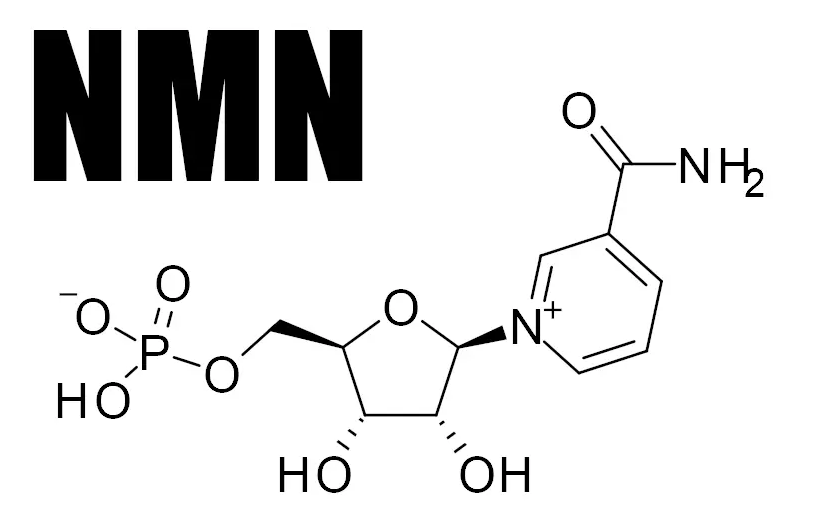
Aging may be a natural part of life, but what if we could influence how gracefully and energetically we age? Recent scientific breakthroughs indicate that we might have unprecedented control over our healthspan and vitality. At the forefront of these discoveries is an intriguing supplement gaining rapid attention: Nicotinamide Mononucleotide, commonly known as NMN.
Imagine a simple supplement capable of extending your lifespan, boosting physical performance, increasing muscle strength, accelerating DNA repair, and even elongating telomeres—the vital protective caps on your chromosomes that serve as biological clocks. Remarkably, these aren’t just hopeful speculations. Numerous scientific studies already support these claims, and ongoing research promises even more exciting revelations in the near future.
So, could NMN truly hold the key to a healthier, more youthful you? Let’s dive deeper into the compelling science behind this revolutionary bio-hack.
What Exactly is NMN?
NMN is a naturally occurring compound in our bodies, involved in producing a critical molecule known as NAD+, essential for maintaining youthfulness, repairing DNA, boosting energy, and supporting overall cellular health. As we age, our bodies produce less NAD+, contributing to declining energy, slower recovery, and accelerated aging.
That’s where NMN comes in—it’s thought to replenish our body’s NAD+ levels, helping our cells work efficiently and possibly slowing down the aging clock.
Enhanced Physical Performance and Muscle Strength
In 2022, two key studies highlighted NMN’s impact on physical performance. Yi et al. found that daily doses of 600–900 mg significantly boosted energy and endurance in adults aged 40–65. Participants walked farther in fitness tests, showing real-world stamina gains. Similarly, Igarashi et al. observed improved muscle strength and walking speed in adults 65+ taking just 250 mg daily—pointing to NMN’s potential for maintaining mobility with age.
Telomere Lengthening: A Major Anti-Aging Breakthrough?
Telomeres, protective caps at the ends of chromosomes, shorten with age, and their length is considered a marker of biological aging. A small-scale study involving middle-aged men revealed that NMN supplementation nearly doubled telomere length in peripheral blood mononuclear cells over a 90-day period, indicating potential anti-aging effects at the cellular level.
Metabolic Health and DNA Repair
A landmark trial by Yoshino and colleagues in 2021 studied older women at risk of diabetes. After ten weeks, those supplemented with NMN experienced significant improvements in muscle metabolism and insulin sensitivity, essential for protecting against age-related metabolic decline.
This benefit suggests NMN might be particularly valuable for those concerned about age-related health challenges like prediabetes, insulin resistance, and metabolic syndrome.
Is NMN Safe and Effective for Everyone?
The good news from multiple recent studies is that NMN appears safe, with no serious side effects reported even at higher doses. For instance, a rigorous clinical trial by Yi et al. (2022) confirmed that daily doses as high as 900 mg were well-tolerated. Disclaimer: Always consult your healthcare provider before starting any new supplement.
Clinical Trials in Healthy Adults
- Yi et al. (2022) – 60-day trial with 80 adults aged 40–65 showed NMN (300, 600, 900 mg/day) significantly boosted NAD+ levels and improved physical performance, especially at 600 mg. Study
- Okabe et al. (2022) – 12-week trial in adults (20–65 yrs) showed NMN (250 mg/day) safely increased NAD+ by ~75%. Study
- Igarashi et al. (2022) – 12-week trial in older men (65+ yrs) showed NMN (250 mg/day) increased NAD+ ~6-fold and modestly improved muscle performance. Study
- Kim et al. (2022) – 12-week trial (250 mg/day) found NMN safe but with no notable benefits in sleep quality or physical performance. Study
- Katayoshi et al. (2023) – 12-week trial (250 mg/day) increased nicotinamide levels but no cardiovascular benefits observed. Study
- Fukamizu et al. (2021) – 4-week open-label trial found NMN (250 mg/day) safe. Study
Studies in Special Populations
- Yoshino et al. (2021) – NMN (250 mg/day) improved insulin sensitivity in older women with prediabetes. Study
- Morita et al. (2022) – 8-week trial found NMN (300 mg/day) unexpectedly lowered NAD+ but improved metabolic markers. Study
- Liao et al. (2021) – NMN (300–1200 mg/day) improved endurance in runners. Study
Reviews and Meta-Analyses
In summary, multiple peer-reviewed studies in humans demonstrate that NMN supplementation can raise NAD+ levels. In doses ranging from 250 mg to 1200 mg daily, taken for periods of 4 weeks up to 12 weeks (and in one case 24 weeks), NMN consistently increased NAD+ or its related metabolites in blood measurements. Study
The magnitude of NAD+ boost varies – lower doses (~250 mg) tend to raise NAD+ 50–100%, whereas higher doses (600–1000+ mg) can multiply NAD+ levels several-fold. Study
All reported trials found NMN to be safe and well-tolerated, with no serious adverse effects across diverse populations. Study
Disclaimer: Always consult your healthcare provider before starting any new supplement.
 Bio-Hacking.Blog
Leave a comment