Immersing yourself in a forest isn’t just calming—it can measurably improve your health.
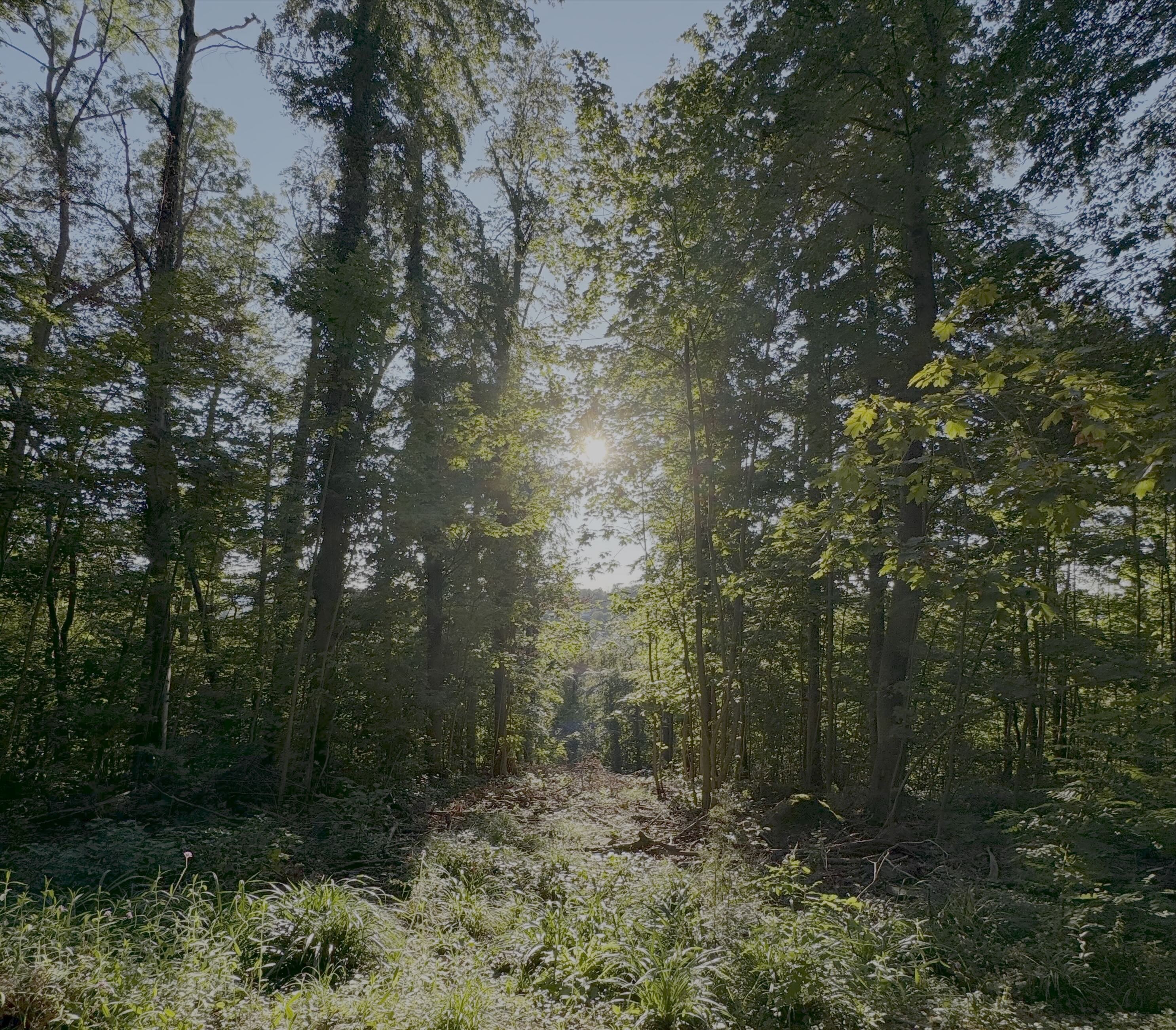
Research shows that spending time in forests can boost mental well-being, lower stress, strengthen the immune system, and even contribute to a longer life. Here, we explore the evidence behind forest bathing’s benefits—blending inspiration from nature with hard scientific data.
A total of 1308 studies were screened and 171 studies made it in the Study Report generated by my Science Study Scraper (GitHub-Link) for this article review, showing the robust scientific foundation behind this natural practice.
What is Forest Bathing (Shinrin-yoku)?
Forest bathing isn’t a literal bath, but a mindful immersion in nature. It means walking slowly through a woodland, breathing deeply, and engaging all your senses—feeling the moss under your feet, listening to wind in the branches, and inhaling the fragrance of trees.
In Japan, this soothing practice is called Shinrin-yoku, or “forest bathing,” which literally means taking in the forest atmosphere. The term was coined in 1982 as a way to encourage stressed urbanites to reconnect with nature for relaxation (Study). Decades later, science has caught up with this wisdom. The goal is to absorb the forest atmosphere, allowing nature’s calm to wash over you. This simple practice is considered a form of natural therapy intended to improve mental and physical relaxation. It’s essentially a mini digital detox and meditation session provided by Mother Nature, open to anyone with access to a park or woodland.
Immune System Boost from Forest Air (Phytoncides)
One of the most fascinating discoveries about forest bathing is its impact on the immune system. Scientists attribute this in part to natural aromatic compounds in woodlands called phytoncides – these are the essential oils that trees release (a type of terpene). When you breathe in that refreshing woodsy smell, you’re actually inhaling phytoncides like α-pinene (a pine scent) and d-limonene (a citrusy scent from certain trees). These compounds don’t just smell good; they have bioactive effects on our bodies.
Research led by Dr. Qing Li in Japan has shown that phytoncides can directly boost our immune defenses. In laboratory experiments, exposing human natural killer (NK) cells (a type of immune cell that fights viruses and cancer) to tree-derived phytoncides such as α-pinene and d-limonene increased the cells’ activity and their production of anti-tumor proteins (Study). Essentially, the chemicals from trees enhanced the cancer-fighting arsenal of our immune cells in vitro. But does this translate to real-life forest walks? Remarkably, yes.
In one notable study, a group of adults spent three days and two nights on a forest retreat. Blood tests showed a surge in NK cell activity (and higher levels of perforin, granulysin, and granzymes – proteins used by NK cells to destroy threats) after the forest immersion (Study). Stress hormones like adrenaline also dropped, indicating a relaxed physiology. Even more amazing, the immune boost was not fleeting – the elevated NK cell activity was still present a week after the trip, and in some cases even a month later (Study). By contrast, a similar trip in a city environment produced no such immune benefit, pinpointing that it’s the forest’s unique atmosphere (and its phytoncides) that trigger our immune cells.
Nature and Longevity – The Long-Term Benefits
The cumulative benefits of spending time in nature don’t just make you feel healthier – they might actually help you live longer. Large epidemiological studies have started to draw connections between green environments and mortality rates. For example, research from Harvard University tracking over 100,000 people found that those living in the greenest neighborhoods had a 12% lower overall mortality rate than those in the least green areas (Study). In particular, rates of respiratory illnesses and certain cancers were significantly lower in areas with more vegetation. The researchers attributed a big part of this longevity boost to improved mental health (lower depression levels) from being around nature, as well as more opportunities for physical activity and lower exposure to pollution.
While living next to a forest is not feasible for everyone, this research suggests that regular exposure to natural environments – parks, forests, even tree-lined streets – can contribute to long-term health and longevity. Lower stress, better mood, and a stronger immune system likely play a role in preventing chronic diseases over time. In Japan, forest bathing is even being integrated into preventive healthcare under the banner of “Forest Medicine,” with the idea that routine nature therapy can reduce risk factors for lifestyle-related diseases (Study).
Stress Reduction and Mental Well-Being
One of the most immediate effects of forest bathing is stress relief. Multiple studies have found that forest environments literally dial down our stress response. In a large field experiment across 24 forests, participants who walked among the trees had significantly lower levels of cortisol (a stress hormone), lower blood pressure and pulse rate, and higher parasympathetic nerve activity (which is associated with relaxation) compared to those in urban settings (Study). In other words, a walk in the woods calms the body’s fight-or-flight system: heart rate slows, blood pressure drops, and stress hormones subside.
Psychologically, people report feeling less anxious, less angry, and more uplifted after time in nature. A review of forest bathing studies noted marked improvements in mood and mental state – including reduced feelings of fatigue, tension and anxiety, and a boost in vigor (positive energy) (Study). Forest walkers also experienced increases in serotonin (the “happy” neurotransmitter) along with better sleep quality.
It appears that nature therapy can reset our overstimulated minds, easing depression and anxiety while promoting a sense of peace. Even brief nature breaks have been shown to improve mood and reduce stress. The mental benefits of Shinrin-yoku are so pronounced that some experts see it as a form of preventive therapy for burnout and anxiety. By engaging our senses in a calm forest setting (sight, sound, smell, touch), we shift into a meditative state that lowers sympathetic (“stress”) nervous activity and raises parasympathetic (“rest and digest”) activity. The result is not only a subjective feeling of relaxation, but measurable changes like decreased adrenaline levels (Study).
Simply put: time in nature helps put our nervous system back in balance, which translates to clearer minds and happier moods when we return to daily life.
Physical Health Benefits – Heart and Beyond
Forest bathing doesn’t just feel relaxing—it produces concrete physical health benefits that excite researchers in preventive medicine. Perhaps most notably, blood pressure tends to drop in the forest. A 2017 systematic review and meta-analysis of 20 trials (encompassing over 700 participants) found that being in a forest environment significantly lowers both systolic and diastolic blood pressure compared to non-forest environments (Study). In one study, even a single day trip to a forest park led to reduced blood pressure, and these effects were maintained for several days afterward (Study). For those with hypertension or high stress, a regular forest walk could be a simple lifestyle “biohack” to help keep blood pressure in check.
Beyond blood pressure, heart rate and heart rate variability (HRV) also improve. Forest settings tend to slow the pulse and increase HRV (a sign of a healthy, resilient heart) as the body enters a relaxed state. Breathing in fresh, clean forest air may also benefit respiratory health, and gentle physical activity like walking contributes to overall fitness. Some participants in forest therapy programs report feeling more refreshed and less physically fatigued after their sessions.
There’s even evidence that sleep quality improves following forest bathing trips, likely due to the combined stress reduction and physical activity (Study). While more research is ongoing, early findings suggest that regularly spending time in nature can support cardiovascular health, reduce inflammation, and generally make the body more resilient to stress-related wear and tear.
Key Takeaways
- Calmer Mind & Less Stress: Forest bathing triggers a relaxation response – lowering stress hormones like cortisol and adrenaline and easing anxiety (Study) (Study). Just 15–20 minutes among trees can shift you into a calmer physiological state.
- Better Mood: Time in nature is linked to higher serotonin, reduced depression and anger, and increased feelings of vigor and creativity (Study). It’s a natural mood booster with no side effects.
- Heart Health: Walking in the woods can lower blood pressure and heart rate while improving heart rate variability (Study) (Study). Regular forest trips may help manage hypertension and reduce cardiovascular strain.
- Stronger Immunity: Trees release phytoncides (terpenes like α-pinene, β-pinene, limonene) that we inhale, which in turn ramp up our natural killer (NK) cells – the immune system’s front line against viruses and tumors (Study) (Study). The immune boost from a weekend forest visit can last for days or even weeks (Study).
- Longevity & Wellness: People who spend more time around green space tend to have lower rates of chronic illness and longer lifespans on average (Study). Nature exposure is emerging as a lifestyle factor for longevity, likely by reducing chronic stress and enhancing overall well-being.
Embrace the Healing Power of Nature
In an age of chronic stress and digital overload, forest bathing offers a refreshing reset. It’s free, simple, and backed by compelling science. The trees act as therapists, the forest as a silent healer – boosting our mood, calming our nerves, and strengthening our body’s defenses. Whether you’re a biohacker looking for the next performance edge or just someone seeking peace, consider this your invitation: unplug and head to the nearest trail or park. Breathe deeply, take in the sights and sounds, and let nature work its subtle magic. A short walk among the trees might do more for your mind and body than you ever imagined – and now, science is illuminating exactly why. So go ahead and indulge in some “Shinrin-yoku”. Your body, brain, and immune system will thank you for it.
Disclaimer: Pharmaceutical Companies hate this trick!
 Bio-Hacking.Blog
Leave a comment