Longevity & Anti-Aging
Longevity and anti-aging claims checked against human studies: supplements, drugs, biological age tests and habits said to slow aging. Each article says what the trials found, how strong the evidence is and where it stops.
-

Yes, on average: 42% of low sitting rising test scorers died of natural causes in 12 years, against 4% of top scorers. A longevity clue, not a verdict.
-
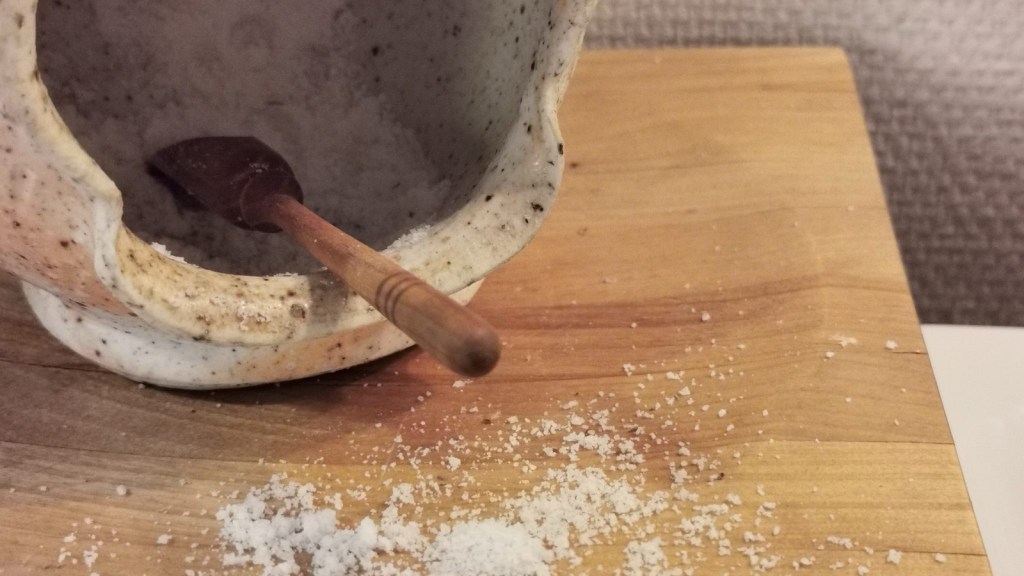
Salt substitutes look safe for most adults: a 20,995-person trial saw 14% fewer strokes. With kidney disease or potassium-raising drugs, ask a doctor.
-
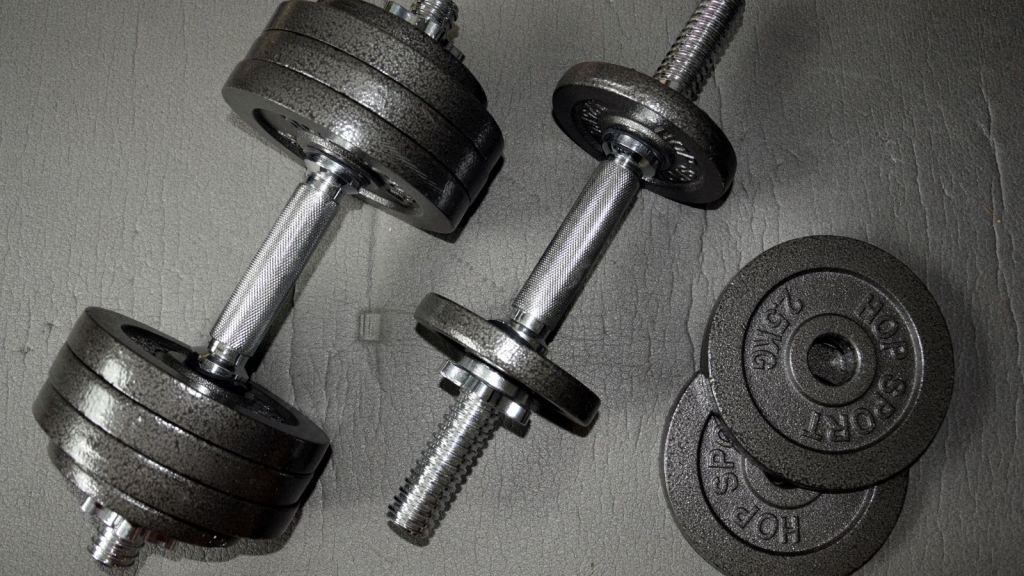
Not on its own: in a year-long diet trial, a weighted vest worn 7 hours a day did not help stop hip bone loss. Brisk walking has better bone density data.
-
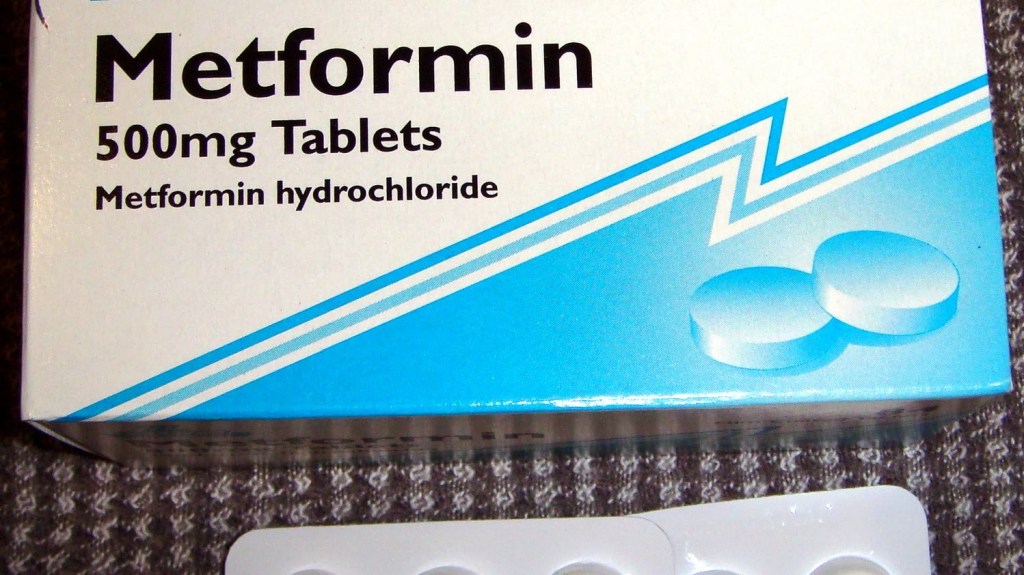
Not proven: in a 21-year trial of 3,234 adults, metformin did not lower deaths. It is good for diabetes, but the TAME longevity trial has not started.
-
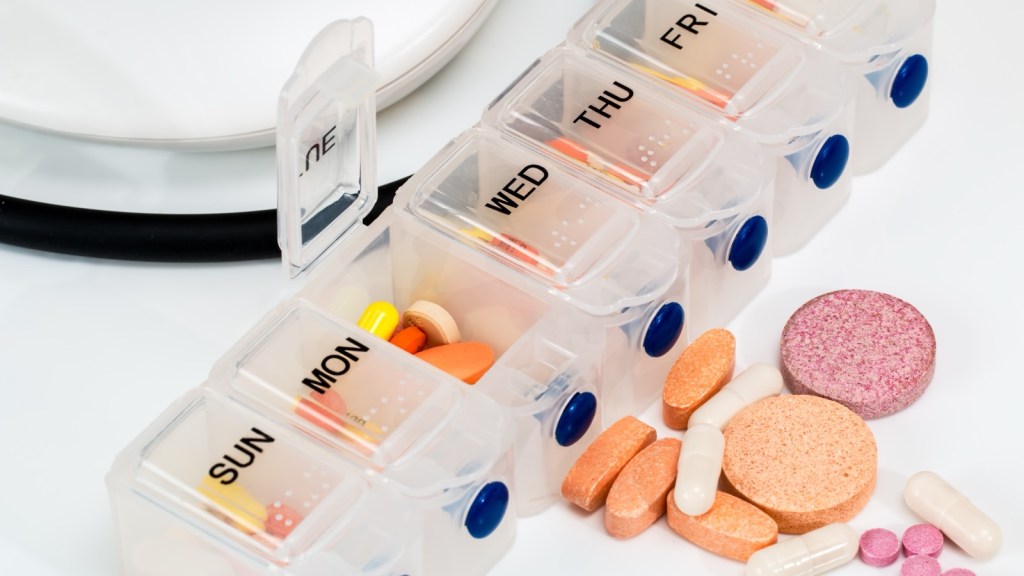
Across 3 COSMOS trials of 5,203 adults over 60, a daily multivitamin seemed to improve memory slightly, but it has not been shown to prevent dementia.
-
No. In two 2026 trials, high-dose vitamin K2 slowed calcium buildup in heart arteries but did not remove it. Heart attacks were not tested.
-
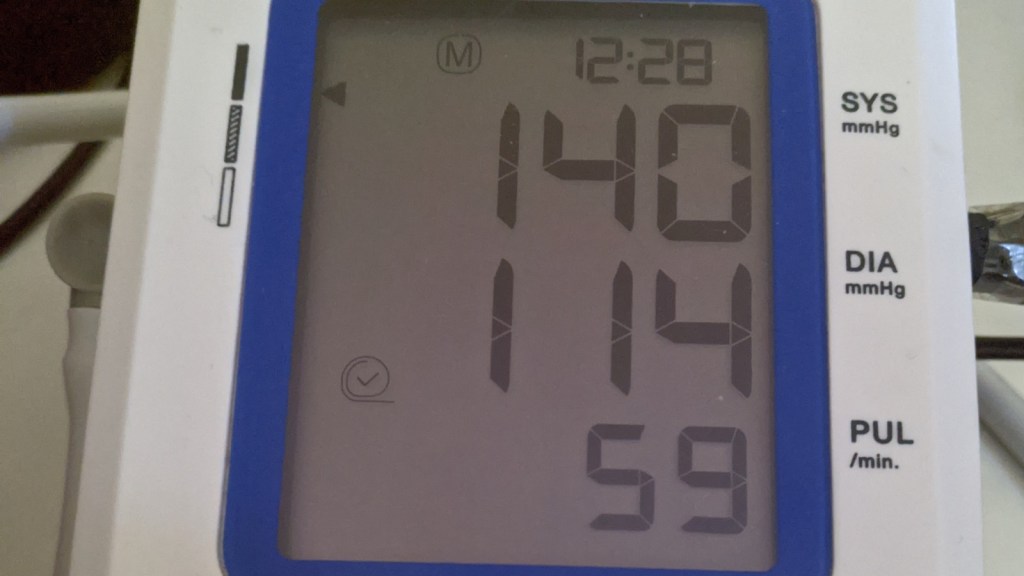
Wall sits blood pressure trials: four weeks cut the top number about 9.5 points, and one session a week kept part of it. Here is the routine and the caveats.
-

It is a trade-off. In a trial of 9,971 healthy adults over 70, statins prevented about 2 heart events per 100 but did not clearly add healthy years.
-
About one in five adults carry high Lp(a) and never find out. One lipoprotein a test settles the number for life, and it changes what else you treat now.
-
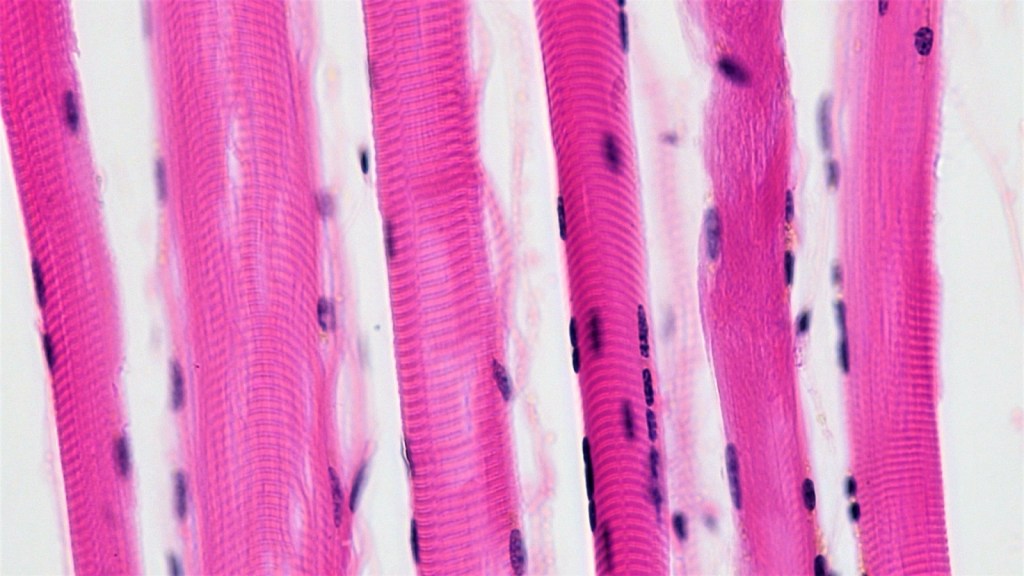
A GLP-1 muscle drug held lean-mass loss to 2.3% in the 507-person BELIEVE trial. But grip strength did not improve, and no drug in the class is approved.

