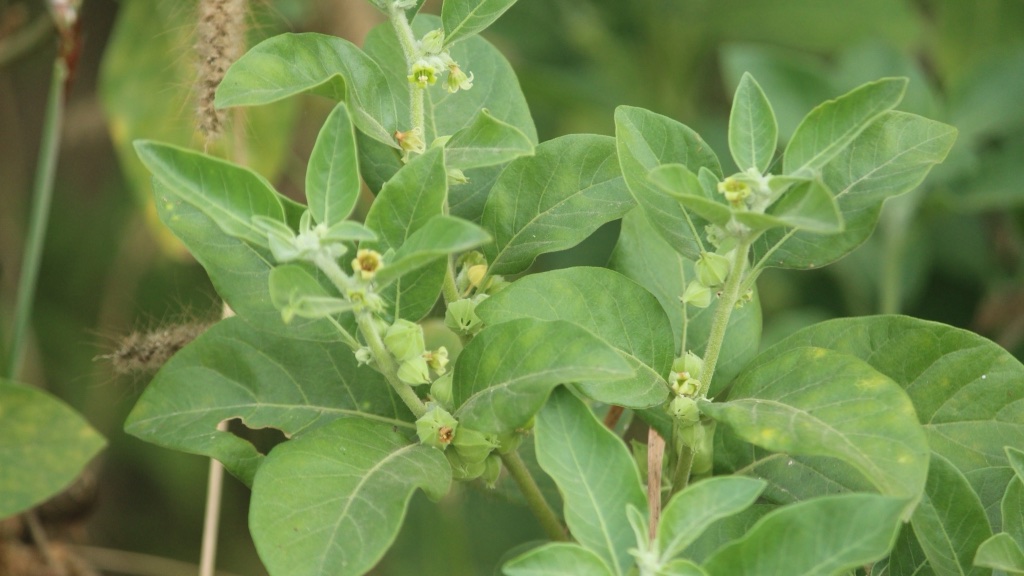
Ashwagandha benefits are real but modest: standardized extracts lower cortisol and perceived stress in RCTs, yet the same root hides a genuine liver-and-thyroid catch.
Walk down any supplement aisle and you will meet a dozen “adaptogens” sold almost entirely on vibes. Ashwagandha is the strange exception. Among the ashwagandha benefits people actually chase, lower stress and lower cortisol are the rare ones with placebo-controlled trials behind them: pooled across randomized studies, a standardized extract reduces perceived stress and trims serum cortisol versus a dummy pill (Meta-analysis). That is more than almost any other herb on the shelf can say. But the same root that calms a stressed brain has also landed people in the hospital with liver injury and pushed thyroid hormones into the danger zone. So this is a two-sided story, and both sides deserve the same honesty.
The plan here is simple. Take the evidence seriously where it is strong, temper it sharply where it is thin, and give the safety problems the prominent section they have earned. No supplement to sell, no fearmongering. The data does the talking.
What Ashwagandha Is
Ashwagandha (Withania somnifera) is a small shrub whose root has been used in Ayurvedic medicine for centuries and labeled an adaptogen — a loose category of plants claimed to help the body resist stress. The active compounds are a family of steroidal lactones called withanolides, and this is where the first honest caveat lives: the trials almost never test the raw root powder you might grind at home.
Instead, modern research uses standardized extracts — concentrated preparations guaranteed to contain a specified percentage of withanolides. The two you will see most are KSM-66 (a root-only extract, typically standardized to at least 5% withanolides) and Sensoril (a root-and-leaf extract with a higher withanolide concentration). When a study reports an effect, it is the effect of that extract at that dose, which is exactly why brand and standardization matter more than the plant’s name.
The proposed mechanisms are plausible but still under-proven. Withanolides are thought to dampen the HPA axis — the hormonal cascade that ends in cortisol release — and to nudge GABAergic signaling, the brain’s main calming system. That would explain the cortisol and anxiety findings. It is a reasonable story, not a settled one, so treat the “how” as a hypothesis and judge the herb by its outcomes.
Stress and Cortisol
This is the strongest, most replicated signal, so it gets the most space. A 2025 systematic review and meta-analysis pooled 15 RCTs and 873 participants and found that, at the 8-week mark, ashwagandha lowered scores on the Perceived Stress Scale (PSS) by a mean of -4.88 points versus placebo (95% CI -7.84 to -1.91, p=0.0013), alongside a serum cortisol reduction of -2.36 (95% CI -3.26 to -1.46, p<0.0001) (Meta-analysis). The effect clustered around 8 weeks — short trials, in other words, but real.
A second, independent meta-analysis lands in nearly the same place, which is what you want to see. Pooling 9 RCTs and 558 patients on doses of 125-600 mg/day for 30-90 days, it reported a PSS reduction of -4.72 versus placebo (95% CI -8.45 to -0.99) and a serum cortisol drop of -2.58 (95% CI -4.99 to -0.16) (Meta-analysis). Two separate reviews converging on a roughly 5-point PSS drop is the kind of corroboration that should raise an eyebrow in a good way.
The single study most people are quoting, even when they don’t know it, is the 2012 KSM-66 trial. Sixty-four chronically stressed adults took 600 mg/day (standardized to at least 5% withanolides) for 60 days. PSS fell from 23.5 to 13.1 — a 44% drop — versus a 5.5% dip on placebo (P<0.0001), while serum cortisol fell 27.9% against 7.9% on placebo (P=0.002) (Trial). That is a large within-trial effect, and it is the headline behind a thousand product pages. Note the fine print, though: it was small, short, single-center, and the extract was supplied by the manufacturer, Ixoreal Biomed (the authors declared no conflict).
A bit of cold water keeps this honest. A systematic review of cortisol specifically found reductions ranging from 11% to 32.6% across stressed-adult studies, but warned that in 8 of 9 trials the change could partly reflect cortisol’s normal daily rhythm rather than the supplement, and that no study checked what the lower cortisol did to adrenal function downstream (Review). And one 2025 meta-analysis found the disconnect in its starkest form: a clear cortisol drop (-1.16 µg/dL, 95% CI -1.64 to -0.69, P<0.001) but no significant effect on perceived stress (SMD -0.355, p=0.40) (Meta-analysis). So the cortisol biomarker is the most consistent finding; the felt-stress benefit, though it shows up in most reviews, is not airtight.
Anxiety, Honestly Rated
Anxiety is where the hype outruns the evidence fastest, so this is the anti-hype pivot. The headline numbers look good. The 15-RCT review found the Hamilton Anxiety Rating Scale (HAM-A) improved by -3.52 points at 8 weeks versus placebo (95% CI -6.00 to -1.04, p=0.0053) (Meta-analysis), and the 9-RCT review reported a HAM-A reduction of -2.19 (95% CI -3.83 to -0.55) (Meta-analysis). Taken alone, those read like a win.
But look at how unstable the pooled estimates are. One meta-analysis of 5 RCTs (254 people) reported a much larger HAM-A drop of -5.96 points (95% CI -10.34 to -1.59), yet with an I² of 98% — near-total heterogeneity, meaning the trials barely agree with each other — and concluded the findings are “promising” but preliminary, needing larger trials (Meta-analysis). When the confidence interval is that wide and the studies that inconsistent, the average is fragile.
The most sobering read comes from a 2025 review of ashwagandha in people with diagnosed mental disorders. It found a large pooled anxiety effect (SMD -1.62, 95% CI -2.66 to -0.57) but rated the certainty LOW on GRADE, flagged an I² of 94%, and — most tellingly — detected publication bias (Egger’s test p<0.001), with the effect shrinking to SMD -1.13 once a high-dose outlier was removed (Meta-analysis). Low certainty, extreme heterogeneity, and signs that negative trials may be missing from the record: that is the textbook profile of an effect that is probably real but smaller than the glossy numbers suggest. Many of these trials are also small and industry-funded.
So here is the line that matters most. Ashwagandha is not a treatment for a clinical anxiety disorder. It may take some edge off everyday stress-driven anxiety, but if anxiety is disrupting your life, the right move is a qualified professional, not a capsule. Even saffron for depression, which kept pace with a common antidepressant in eight small trials, has not earned that kind of swap.
Does It Help Sleep?
Sleep is the third benefit with a real evidence base, and the framing should be “modest, not a sleeping pill.” The key synthesis is a 2021 systematic review and meta-analysis of 5 RCTs (400 participants) that found ashwagandha produced a small but significant improvement in overall sleep versus placebo: SMD -0.59 (95% CI -0.75 to -0.42) (Meta-analysis). It also improved sleep quality, sleep-onset latency, and morning alertness — though notably not quality of life.
The effect is dose- and duration-dependent, which is useful to know. Subgroup analyses showed bigger gains at doses of at least 600 mg/day (SMD -0.69), durations of 8 weeks or more (SMD -0.68), and especially in adults with diagnosed insomnia (SMD -0.84) (Meta-analysis). In other words, more and longer helps, and the people with the worst sleep benefit most — a sensible pattern.
But hold the certainty steady. The same review graded its sleep evidence only MODERATE on GRADE, noting that just 2 of 5 trials were prospectively registered, one was at high risk of dropout bias, “serious imprecision” plagued most outcomes because the samples were small, and one trial was partly sponsored by the manufacturer (Meta-analysis). A separate review confirmed improvements in sleep-onset latency and total sleep time but stressed the findings are preliminary and need larger trials (Meta-analysis). Helpful at the margins, then — not a substitute for properly treating insomnia.
The Safety Caveats
This is the section that justifies the whole article, and it is the one the marketing copy skips. “Natural” does not mean “harmless,” and ashwagandha proves it.
Start with the liver. A multicenter case series from Iceland and the U.S. Drug-Induced Liver Injury Network documented 5 causality-assessed cases of ashwagandha-linked liver injury — a cholestatic or mixed pattern, all moderate severity, appearing 2-12 weeks after starting, with liver tests normalizing within 1-5 months and no one progressing to failure or transplant (Study). The NIH’s LiverTox database describes the same picture — jaundice and itching arising 2-12 weeks in, usually self-limited — but adds the sharper warning: rare instances of fatal liver injury or emergency liver transplantation have occurred, particularly in people with pre-existing liver disease (Review). A 2023 analysis using the rigorous RUCAM causality method scored new cases as “probable” and, reviewing roughly a dozen documented cases in the literature, identified a single one that required a liver transplant; that patient recovered, and no deaths have been reported (Study). The honest summary: liver injury is rare, but it is real, sometimes serious, and well enough documented to take seriously.
Then there is the thyroid. Ashwagandha genuinely raises thyroid hormone output. In a small placebo-controlled pilot trial of subclinical hypothyroid adults on 600 mg/day for 8 weeks, it boosted T3 by about 41.5%, raised T4 by 19.6%, and lowered TSH by 17.4% (Trial). That can help an underactive thyroid — but the flip side is that it could push a normal or treated person toward hyperthyroid territory. That is not theoretical: a previously healthy 47-year-old developed overt thyrotoxicosis about two months after starting ashwagandha, with markers normalizing only after he stopped (Study). Even a modest 500 mg/day Sensoril dose nudged free T4 upward in every treated patient in one study, prompting the authors to advise checking thyroid function before use and monitoring for hyperthyroid symptoms (Trial).
The remaining cautions are best taken straight from the NIH’s NCCIH, which is not selling anything. Ashwagandha should be avoided in pregnancy and not used while breastfeeding, may interact with sedatives, immunosuppressants, thyroid hormone medications, anticonvulsants, and diabetes and blood-pressure drugs, and is not recommended for people with thyroid or autoimmune disorders or before surgery (NCCIH). A 2025 peer-reviewed safety review echoes this, naming pregnant women and people with thyroid disorders as populations facing significant risk and calling for stronger label warnings (Review).
And finally, a problem that undercuts everything above: you often cannot trust the label. Supplements are not FDA-approved for efficacy, and the quality varies wildly. One analytical study of 24 products found the measured withanolide content deviated from the label by a factor of 2 to 35, with most extract-based products averaging more than 30 times lower than claimed (Study). Another tested 10 supplements labeled as standardized root extracts — and none met their label claim, with average main-withanolide content of just 0.13% against a claimed 5% (Study). Which means the careful dose from the trials may bear little relation to what is actually in the bottle.
Frequently Asked Questions
How much ashwagandha should I take, and for how long?
The benefits in the trials came from standardized KSM-66 or Sensoril extracts at about 250 to 600 mg per day for 6 to 8 weeks, not raw root powder you might grind at home. The article suggests starting at the low end and running a short course rather than open-ended use. Because supplement labels are often wildly inaccurate, choosing a third-party tested product is recommended, and talking to your doctor first is advised, especially if you take any medication or have a thyroid, liver, or autoimmune condition.
Does ashwagandha actually lower cortisol and stress?
Two independent meta-analyses found that a standardized extract lowered perceived stress by roughly 5 points on a stress scale and reliably trimmed the stress hormone cortisol versus a dummy pill over about 6 to 8 weeks. The cortisol drop is the most consistent finding, though one 2025 meta-analysis found a clear cortisol reduction but no significant change in how stressed people actually felt. Studies suggest the effect is real but modest, and the trials tend to be small, short, and often industry-funded. Meta-analysis
Does ashwagandha help you sleep better?
A 2021 meta-analysis of 5 randomized trials found a small but significant improvement in overall sleep versus placebo, along with better sleep quality, faster time to fall asleep, and morning alertness. The gains were strongest at doses of at least 600 mg per day, durations of 8 weeks or more, and in adults with diagnosed insomnia. The article frames this as modest help at the margins rather than a sleeping pill, and not a substitute for properly treating insomnia. Meta-analysis
Can ashwagandha damage your liver or thyroid?
Documented cases show ashwagandha can cause liver injury, usually appearing 2 to 12 weeks after starting and often resolving on its own, though rare instances of fatal injury or emergency transplant have occurred, particularly in people with pre-existing liver disease. It also genuinely raises thyroid hormone output, which could push a normal or treated person toward an overactive thyroid; one previously healthy adult developed thyroid overactivity about two months after starting. The article advises stopping and seeing a clinician if you notice jaundice, dark urine, unusual fatigue, or a racing heart.
Who should not take ashwagandha?
According to the NIH’s NCCIH, ashwagandha should be avoided in pregnancy and not used while breastfeeding, and it is not recommended for people with thyroid or autoimmune disorders or before surgery. It may also interact with sedatives, immunosuppressants, thyroid hormone medications, anticonvulsants, and diabetes and blood-pressure drugs. The article stresses that it is no substitute for real treatment, so anyone with clinical anxiety, insomnia, or interacting medications should talk to a clinician first. NCCIH
Key Takeaways
- Real but modest stress effect. Two independent meta-analyses found ashwagandha lowers perceived stress by roughly 5 PSS points and reliably trims serum cortisol over 6-8 weeks (Meta-analysis).
- Evidence quality is low-to-moderate. Trials are small, short, heterogeneous, and often industry-funded; the anxiety evidence in particular is rated LOW on GRADE with detected publication bias (Meta-analysis).
- The studied dose is specific. The benefits come from standardized KSM-66 or Sensoril extracts at about 250-600 mg/day for 6-8 weeks, not raw powder (Trial).
- Sleep help is small, not a sleeping pill. A meta-analysis found a modest SMD of -0.59 for overall sleep, strongest at 600 mg/day, 8-plus weeks, and in diagnosed insomnia (Meta-analysis).
- Take the safety seriously. Documented liver injury (including one transplant), thyroid-hormone elevation, a pregnancy contraindication, and drug interactions are all on record (Study).
- It is no substitute for real treatment. For clinical anxiety, insomnia, or any condition — or if you take interacting meds — talk to a clinician first (NCCIH).
A Modest Tool, Used Wisely
So who might reasonably try ashwagandha? An otherwise-healthy, stressed adult with no liver concerns, no thyroid or autoimmune disorder, who is not pregnant or breastfeeding, and not taking sedatives, immunosuppressants, thyroid medication, or the other interacting drugs. For that person, the evidence supports a fair shot at a modest, short-term reduction in perceived stress and a small lift in sleep — nothing more dramatic than that, and nothing dishonest about it.
If you do try it, copy what the trials actually did. Choose a standardized extract — KSM-66 or Sensoril, ideally third-party tested given the label problem — at the studied 250-600 mg/day, start at the low end, run a short course of 6-8 weeks rather than open-ended use, and talk to your doctor first, especially if you take any medication or have a thyroid, liver, or autoimmune condition. Stop and see a clinician if you notice jaundice, dark urine, unusual fatigue, or a racing heart. The realistic expectation is a gentle, time-limited aid for everyday stress — not a cure for clinical anxiety, not a fix for chronic insomnia, and not a reason to skip treatment that actually works.
A centuries-old root that can measurably lower your cortisol for the price of a coffee habit.
This article is for educational purposes and is not medical advice. Talk to a qualified clinician before changing your health regimen.


Leave a Reply