Longevity & Anti-Aging
Longevity and anti-aging claims checked against human studies: supplements, drugs, biological age tests and habits said to slow aging. Each article says what the trials found, how strong the evidence is and where it stops.
-

Low-dose rapamycin extended lifespan in mice and passed its first human safety trial. The honest science on rapamycin for longevity: hype versus real hope.
-

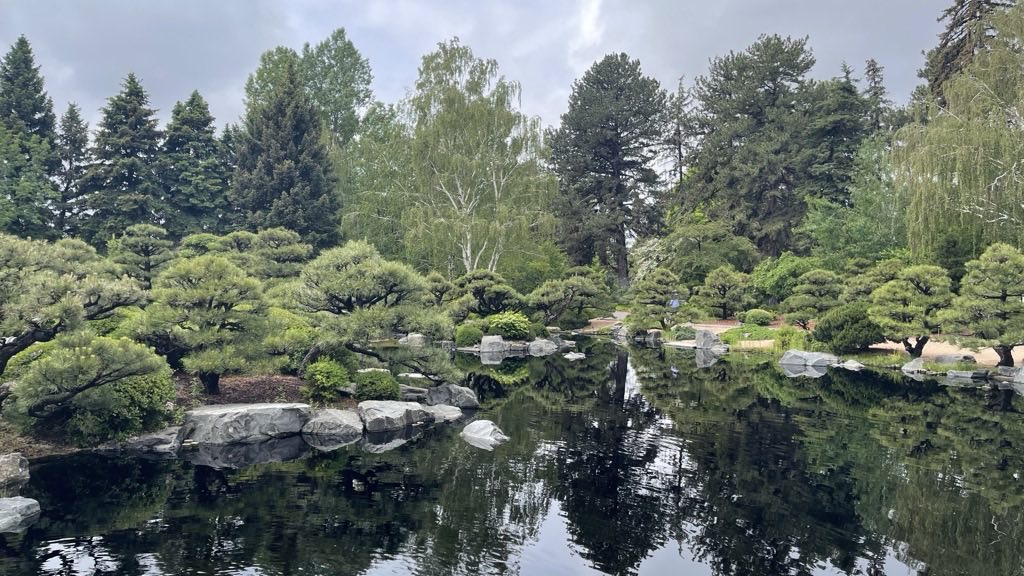
Spending 120 minutes in nature a week is linked to better health and wellbeing: where the dose comes from, what counts, and how solid the science really is.
-
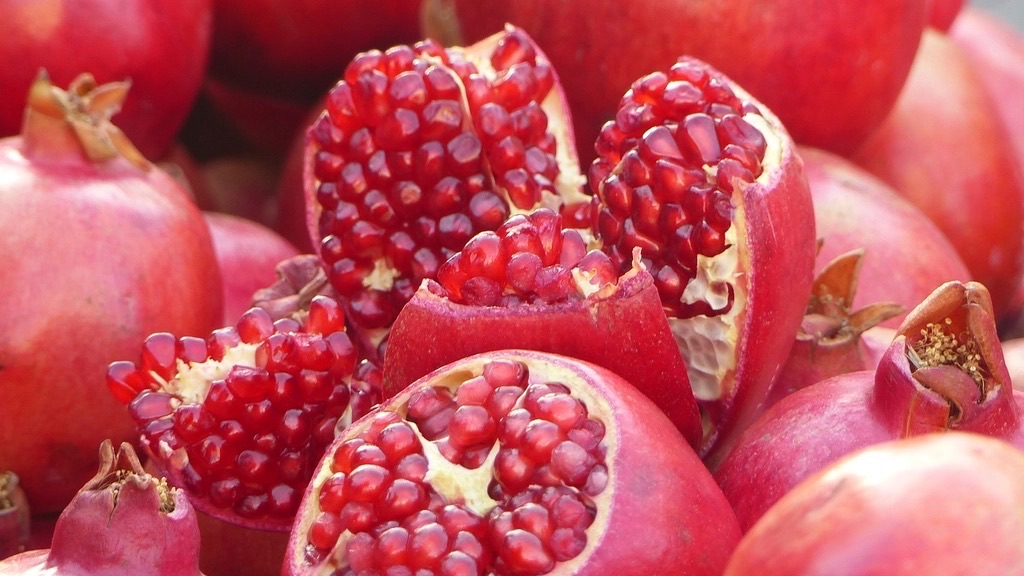
Urolithin A benefits are modest but real: a placebo-controlled trial shows this gut-microbiome metabolite boosts midlife muscle strength via mitophagy.
-

A strong sense of purpose is linked to up to 17% lower mortality, healthier hearts, and sharper brains. Here’s what the longevity science really shows.
-
Large accelerometer studies show sleep regularity predicts survival better than sleep duration, and a steady schedule is often easier to fix than more hours.
-

In people at high heart risk, GLP-1 drugs like Ozempic cut heart attacks, strokes and deaths, and most of that benefit isn’t the weight loss. Longevity is unproven.
-

PM2.5 air pollution is tied to 7.8 million deaths a year and quietly harms your heart and brain. Here’s the evidence, and simple ways to breathe cleaner.
-

Close to it. In 148 studies of 308,000 people, weak social ties predicted early death about as strongly as smoking. Loneliness alone is less certain.
-
Tai chi benefits, audited: it cut falls 58% in at-risk adults over 70 and edged out aerobic exercise on nighttime blood pressure, plus where the hype falls short.
-
VO2max may predict how long you live better than cholesterol or blood sugar, and unlike your genes, this longevity biomarker moves when you train. Here’s the science.

