Longevity & Anti-Aging
Longevity and anti-aging claims checked against human studies: supplements, drugs, biological age tests and habits said to slow aging. Each article says what the trials found, how strong the evidence is and where it stops.
-

The J-curve says moderate drinking protects the heart. Correct one basic bias and it collapses. What the evidence really shows about alcohol health risks.
-
Ultra-processed foods drove 508 extra calories a day in the one controlled trial. See what the science really shows about weight gain and disease risk.
-

No solid human evidence shows the epitalon peptide lengthens telomeres or extends lifespan: zero registered trials, only cell data, and a real cancer question.
-
Copper peptides (GHK-Cu) deliver modest, real skin gains in creams, but injectable GHK-Cu has zero human efficacy trials. Here’s what the evidence shows.
-
Growth hormone peptides reliably raise IGF-1, but only tesamorelin proves a real benefit. Here’s what the science shows on muscle, aging, and cancer risk.
-

The cholesterol paradox is real: those with the lowest cholesterol die soonest. But frailty, not protection, explains it, and LDL still causes heart disease.
-
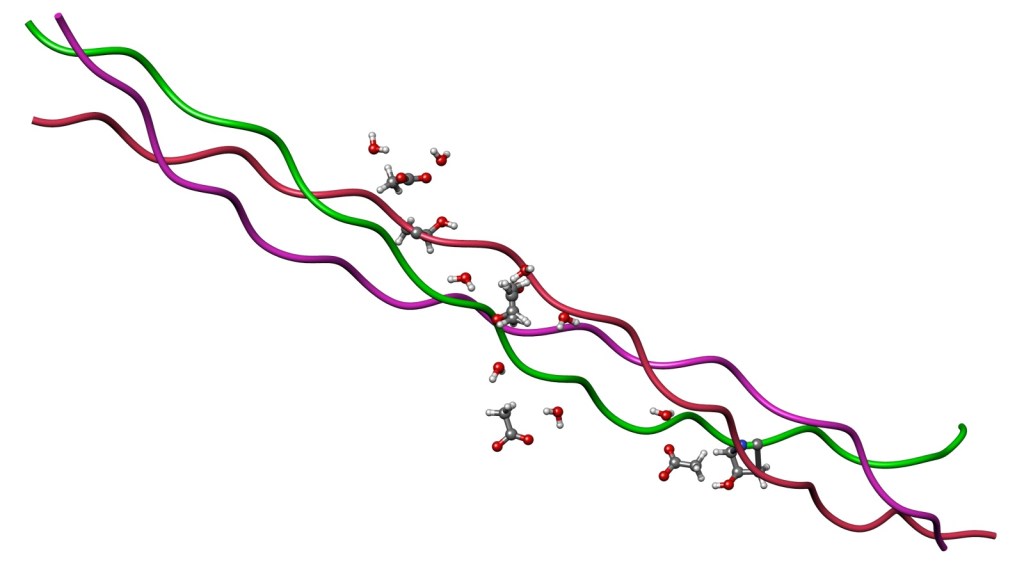
Collagen peptides are the rare supplement with real human trials, but the skin benefit is modest and the joint evidence is stronger. Here’s the honest read.
-

Research peptides are sold as “not for human use”: a legal fiction. Inside the thin human evidence, the arsenic found in vials, and where the law stands now.
-

A 2023 mouse study crowned taurine a longevity star; a 2025 correction reset the story. Here’s what the human evidence on taurine and aging honestly shows.
-
Senolytics work in mice. In people, dasatinib and quercetin missed the main goal of a bone trial but improved liver scarring in a small 2026 trial.

