Longevity & Anti-Aging
Longevity and anti-aging claims checked against human studies: supplements, drugs, biological age tests and habits said to slow aging. Each article says what the trials found, how strong the evidence is and where it stops.
-

Not very, for one person. Run one blood sample twice and a biological age test can shift by up to 9 years. What the number can and cannot tell you.
-

Do brain training games work? 11,430 adults trained for six weeks and gained nothing on untrained tests. What the evidence shows, and what helps instead.
-
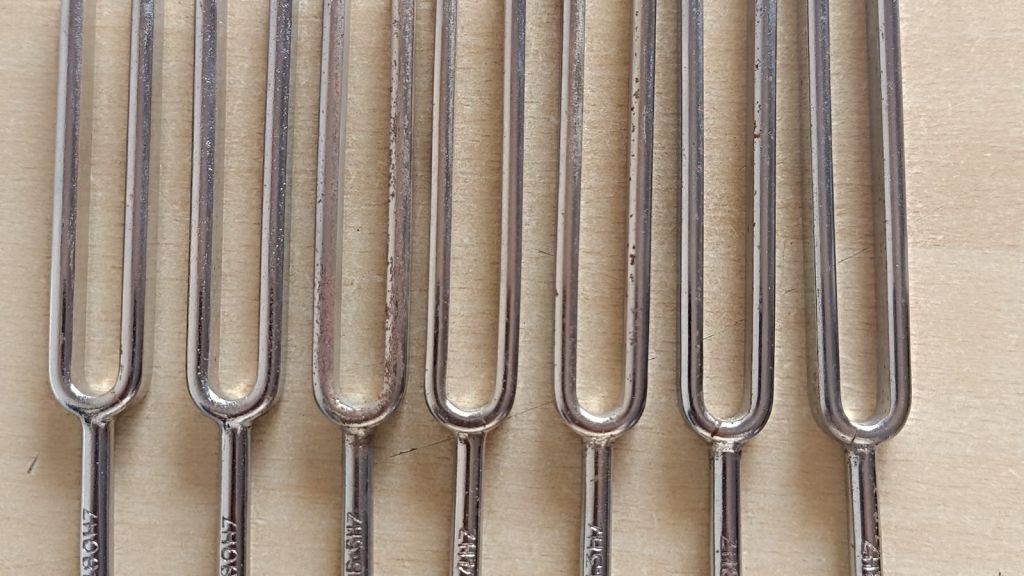
The hearing loss dementia link got its first proper trial: 977 adults, three years, hearing aids. Here is what it found, and what the headline number missed.
-
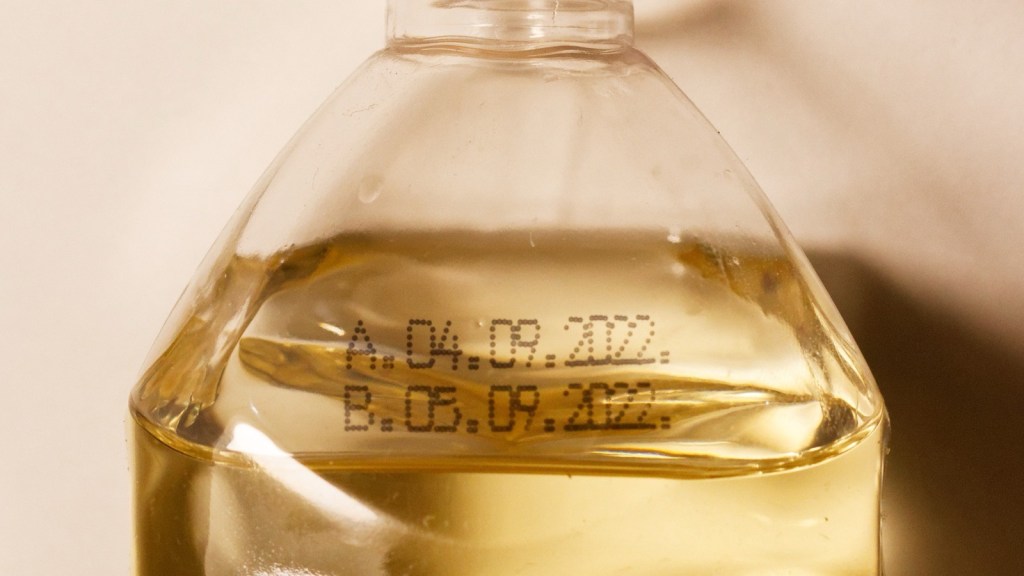
Are seed oils bad for you? Across 221,054 adults followed for 33 years, more plant oil tracked with lower death rates, and more butter with higher ones.
-
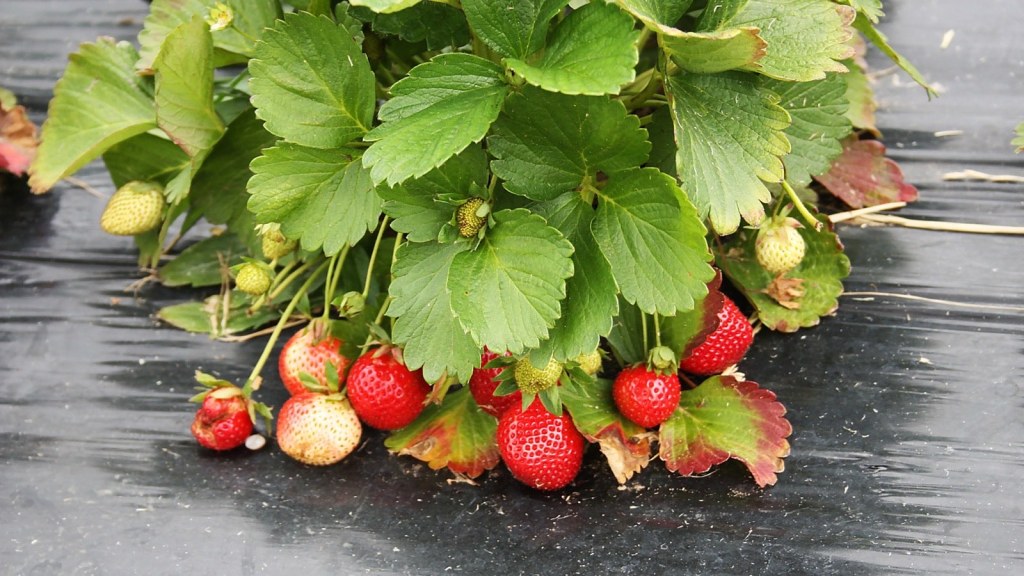
The fisetin senolytic case rests on mice. The biggest human trial found no benefit at 12 months, and the two Mayo trials still have not posted results.
-
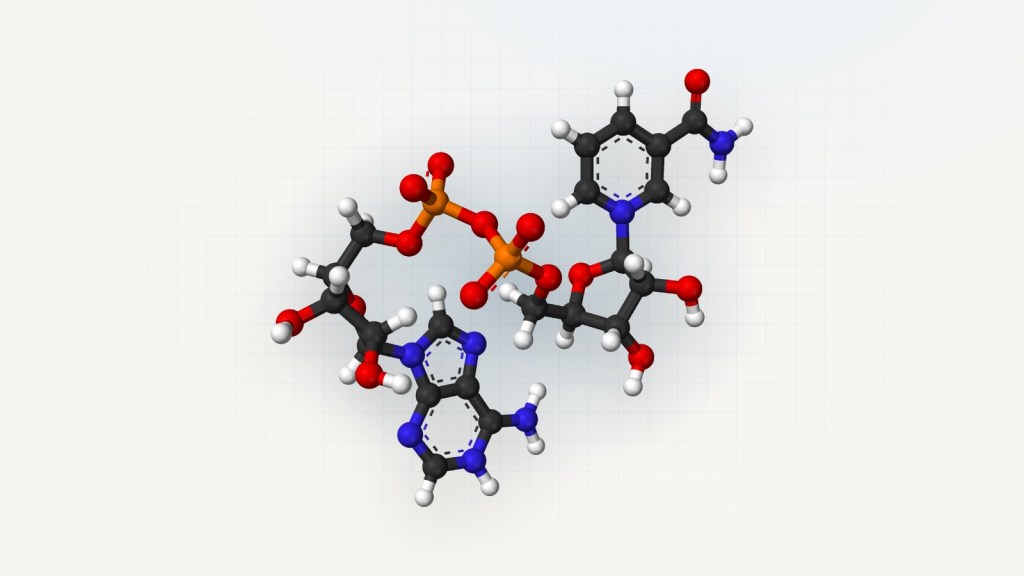
NMN vs NR, finally tested head to head: in 65 healthy adults both roughly doubled blood NAD+, with no winner. Here is what that does and does not buy you.
-

PT-141 vs Melanotan 2: one was tested in 1,250 women and carries a safety label. The other has case reports of melanoma and vials that never hold 10 mg.
-

Spermidine benefits look strong in food studies and weak in capsules: a year-long trial in 100 older adults found no memory gain from the wheat germ pills.
-
Possibly, but the proof is thin. GlyNAC raised muscle glutathione 164% in a 24-person trial, while a 114-person test at a lower dose found no rise.
-
Red light therapy has real trial support for skin and next-day soreness, and none for fat loss. Here is what the doses, numbers and caveats actually show.

