Movement & Recovery
Exercise and recovery claims checked against the studies: strength training, walking, Zone 2 cardio, cold plunges, saunas and sleep. What the trials found, in plain English, with every source linked.
-
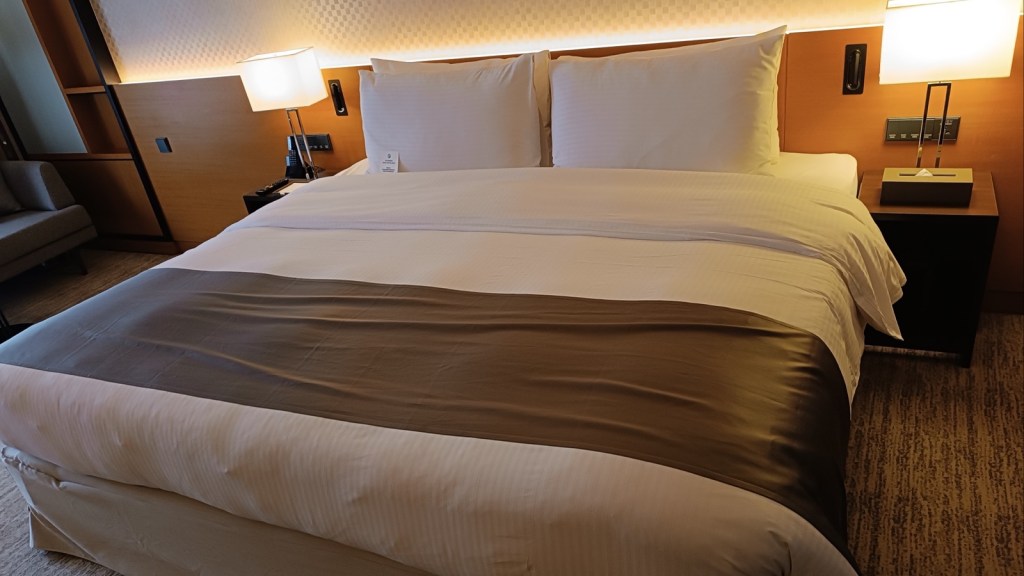
No, 1 hour of deep sleep is not enough on short nights: adults held to 4 or 6 hours for 14 nights kept their deep sleep but got worse on every task.
-
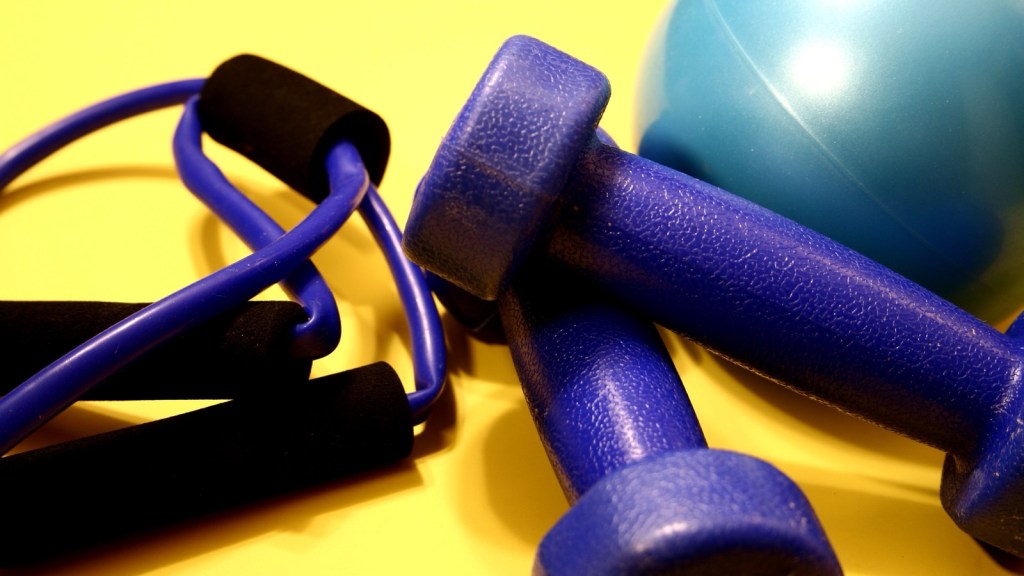
Do lower back pain exercises 3 to 4 times a week for 25 to 30 minutes, a 239-trial analysis suggests. Doing them more often added little.
-

Each extra 10 dB of traffic noise at home went with about 3% more heart disease, so noise pollution may raise risk a little. Earplugs help at night.
-

Yes, on average: 42% of low sitting rising test scorers died of natural causes in 12 years, against 4% of top scorers. A longevity clue, not a verdict.
-
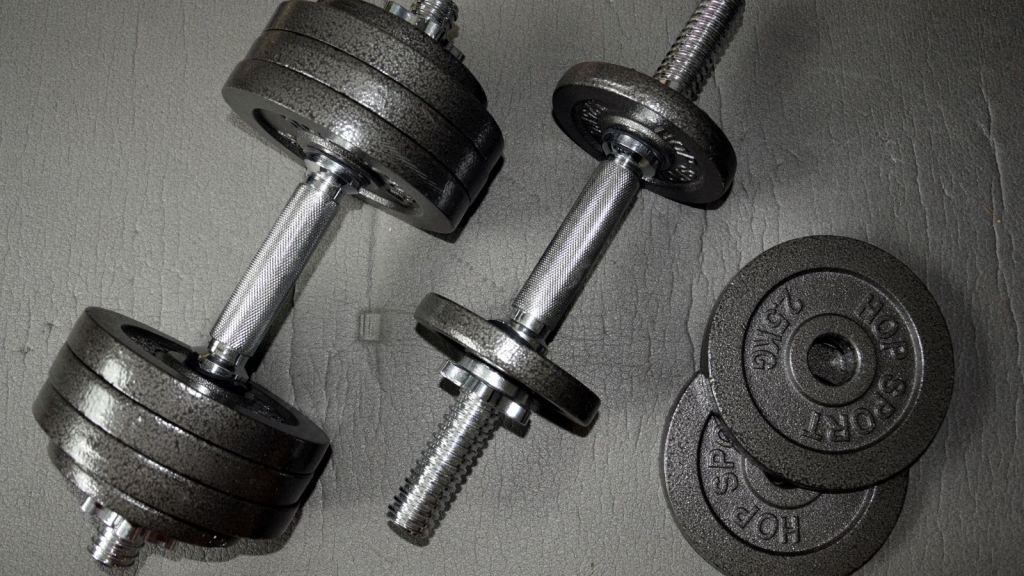
Not on its own: in a year-long diet trial, a weighted vest worn 7 hours a day did not help stop hip bone loss. Brisk walking has better bone density data.
-
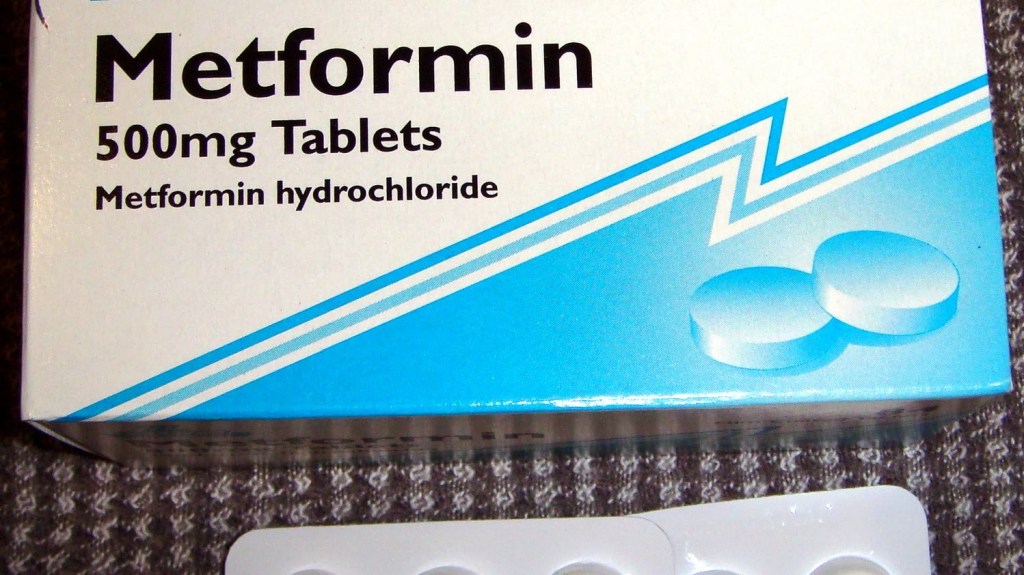
Not proven: in a 21-year trial of 3,234 adults, metformin did not lower deaths. It is good for diabetes, but the TAME longevity trial has not started.
-

Across 218 trials, exercise helps depression by a moderate amount. In the few direct tests it did about as well as talk therapy or antidepressants.
-
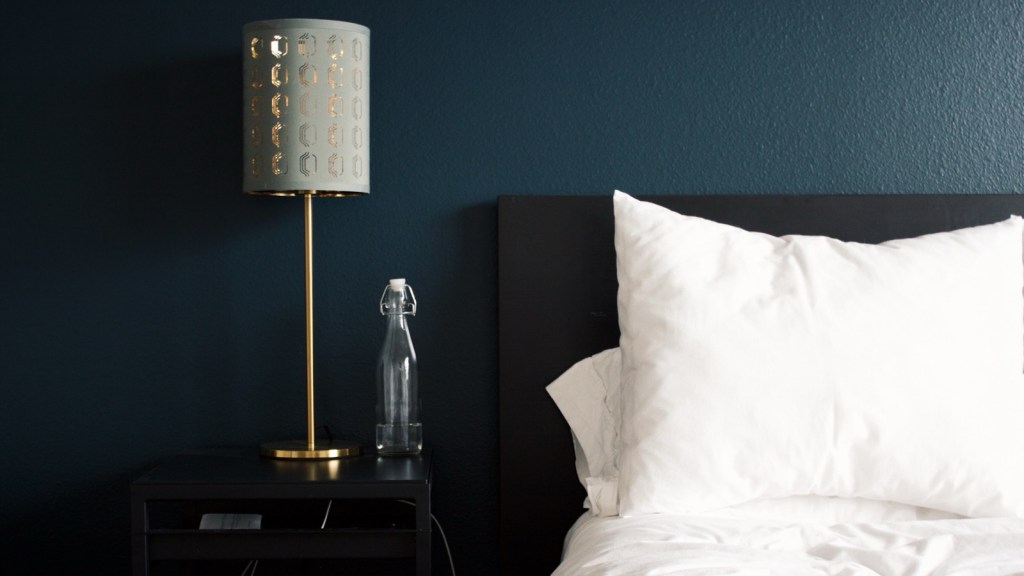
Bright nights went with 29% more heart failure and 33% more strokes in 73,286 adults, so sleeping with lights on may be bad for your heart.
-
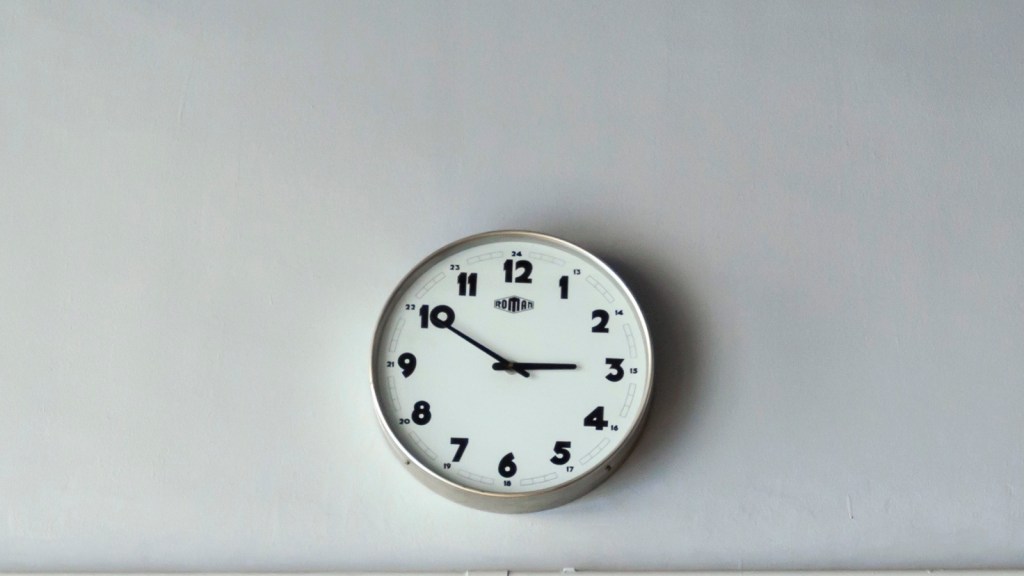
Heart attacks rise about 5% the week after clocks spring forward, so daylight saving time is mainly bad for your health in spring. Autumn looks gentler.
-
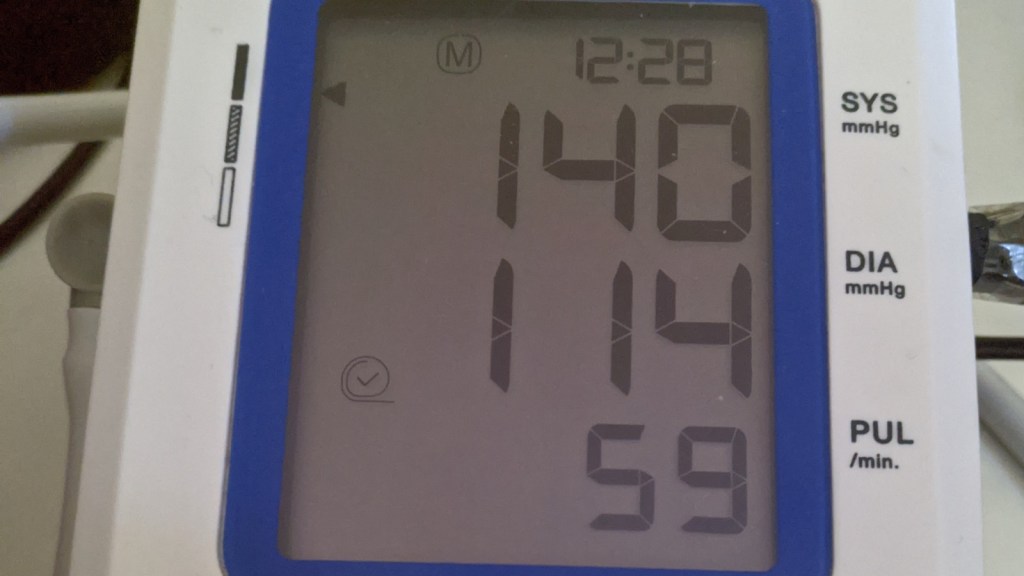
Wall sits blood pressure trials: four weeks cut the top number about 9.5 points, and one session a week kept part of it. Here is the routine and the caveats.

