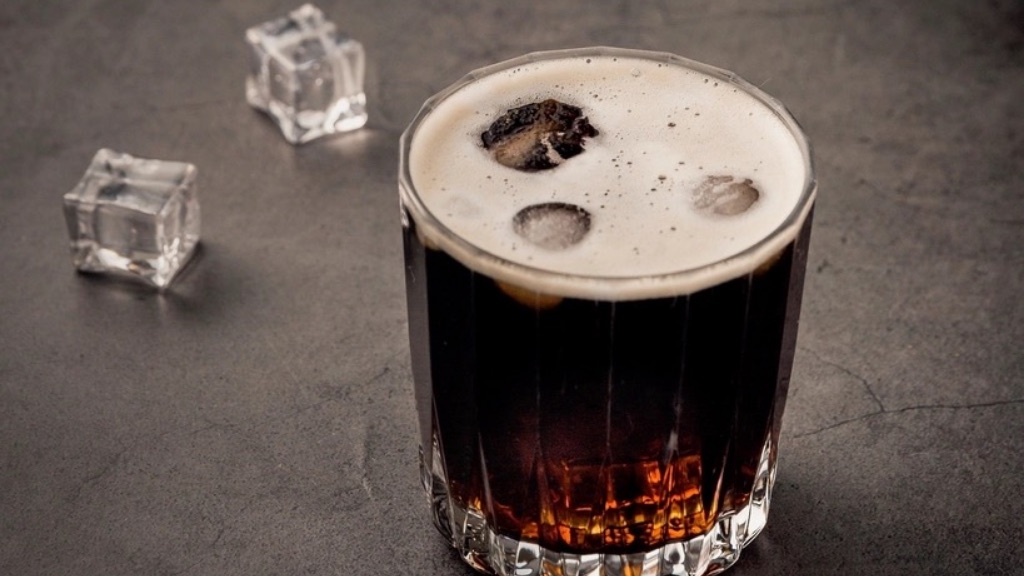
For decades the pitch for artificial sweeteners was beautifully simple: all of the sweetness, none of the calories, none of the consequences. The first two are true. The third is where the science of artificial sweeteners and gut health has quietly turned. Across independent, mostly non-industry labs, the same picture keeps surfacing — these compounds are not metabolically inert bystanders but biologically active molecules that reach the gut and do measurable things there. That doesn’t mean the diet soda in your hand is harming you. It means “zero-calorie” was never a safe synonym for “zero-consequence.”
Non-Nutritive, Not Inert
Non-nutritive sweeteners (NNS), also called artificial or high-intensity sweeteners, deliver an intense sweet taste at a tiny fraction of the dose of sugar while contributing essentially no calories. The four you’ll meet most on labels are sucralose (Splenda), saccharin (Sweet’N Low), aspartame (Equal, NutraSweet), and the plant-derived stevia. Because they’re so potent, a few milligrams do the work of a whole spoonful of sugar, which is exactly why they became the backbone of diet sodas, “sugar-free” foods, and the little tabletop packets by the coffee machine. They cleared regulatory review on that basis — negligible calories, no obvious metabolism — and for years the working assumption was that a compound the body barely touches is a compound that barely does anything.
Here’s the fact that seeded that assumption. Sugar is digested and absorbed high in the small intestine. Sucralose, by contrast, is largely not absorbed: most of it passes straight through and reaches the colon essentially intact, where it meets the trillions of resident bacteria. On paper that looked reassuring — if the body doesn’t metabolize it, surely it does nothing. That logic, “not absorbed, therefore inert,” is precisely the assumption the last decade of microbiome research has pried open. Non-absorption doesn’t mean a molecule never interacts with anything; it means the molecule is delivered, undiluted, straight to the most metabolically active organ you never think about: your gut microbiome.
Reshaping the Microbiome
The study that cracked the “inert” assumption open landed in Nature in 2014. Working first in mice and then in humans, Suez and colleagues showed that consuming common NNS formulations drove the development of glucose intolerance — and, crucially, that the sweeteners weren’t doing it directly. They were doing it through the gut bacteria (Study).
The causal chain is what makes this work hold up. First, the metabolic damage was abolished by antibiotics — wipe out the microbiome and the effect disappears, which points the finger squarely at the bacteria. Second, and more striking, the effect was transferable: transplant stool from sweetener-fed mice into germ-free animals that had never tasted an NNS, and the recipients became glucose-intolerant too (Study). A later review that re-examined the work described the same architecture, noting the metabolic effects “were abrogated by antibiotic treatment and were fully transferrable to germ-free mice upon microbiota transplantation” (Review).
Then came the human hint. Seven healthy volunteers who didn’t normally use sweeteners took the maximum acceptable daily intake of saccharin for a week (Review); by days 5 and 7, several developed poorer blood-sugar responses, and the reaction was uneven, with some people responding and others not (Study). That detail — that not everyone reacts — turns out to be the key to the whole story.
The lesson from 2014 isn’t a scare; it’s a mechanism. The microbiome is the mediator. The sweetener is the trigger, but the bacteria are the actual actors.
The Responder Problem
Eight years later the same lab ran the idea through a proper randomized controlled trial, and it remains the strongest human evidence we have. In a randomized controlled trial of 120 healthy adults who didn’t normally use sweeteners, participants were assigned to sachets of saccharin, sucralose, aspartame, or stevia — each at a dose below the acceptable daily intake — or to glucose-vehicle and no-supplement control groups, for two weeks (Trial).
Every one of the four sweeteners “distinctly altered stool and oral microbiome and plasma metabolome.” But only two moved blood sugar: saccharin and sucralose significantly impaired glycemic responses, while aspartame and stevia did not (Trial). That split — sucralose and saccharin as the stronger signals, aspartame and stevia as the milder ones — recurs across this whole literature.
And the researchers showed the microbiome was doing the work. They took stool from the humans who reacted most and least and transplanted it into germ-free mice; each mouse went on to mirror its specific human donor’s glucose response, so the strong responders’ microbes made recipient mice glucose-intolerant while the non-responders’ didn’t (Trial). The Suez lab’s own summary put it plainly: the effects were “person-specific, microbiome-dependent,” with identifiable top and bottom responders in every sweetener group (Suez Lab).
This is the responder problem, and it dissolves a real puzzle. Why do some trials find nothing at all? Because when you average a group of strong reactors and non-reactors together, the signal cancels out. Whether a sweetener nudges your blood sugar appears to depend on the microbiome you bring to the table — which is also why blanket verdicts in either direction, “harmless” or “dangerous,” both miss the point.
When Good Bugs Turn Bad
Glucose is one axis. Bacterial behavior is another — and here an independent lab asked a sharper question: can a sweetener turn an ordinary gut microbe into a troublemaker? In a 2021 study, researchers exposed two common commensals — Escherichia coli and Enterococcus faecalis — to saccharin, sucralose, or aspartame at 100 micromolar, a concentration the team framed as roughly two cans of diet soft drink (Study), an exposure an ordinary diet can genuinely reach (Science Focus).
The bacteria started behaving pathogenically. All three sweeteners significantly increased the adhesion of both microbes to Caco-2 human intestinal cells — the first step of infection, getting a grip on the gut wall. All three also increased biofilm formation in E. coli. And two of them, sucralose and aspartame, significantly increased invasion — bacteria pushing into the intestinal cells — for both species; saccharin raised invasion for E. faecalis but not, notably, for E. coli (Study).
Why does biofilm matter? A biofilm is a self-made protective matrix bacteria build to shield themselves. Bugs living inside one are far harder for antibiotics and the immune system to reach, and they’re more likely to switch on virulence programs. So a sweetener that nudges peaceful gut residents toward more adhesion, more biofilm, and more tissue invasion is, in effect, coaxing them toward the very behaviors that separate a harmless commensal from a pathogen. This was a lab-dish study, not a human one — but it supplies a plausible mechanism for how the compositional shifts seen elsewhere could translate into actual gut trouble. It’s one thing to say a sweetener changes which bacteria are present; it’s another to show it can change how those bacteria act, from quiet residents into cells that grip, coat, and breach the gut lining.
Leaky Gut, Fractured Junctions
If sweeteners can shift who lives in the gut and how they behave, the next question is the gut wall itself — the single-cell-thick barrier that decides what gets into your bloodstream. A 2023 study zeroed in on sucralose and, importantly, on sucralose-6-acetate, a compound formed when sucralose is manufactured and generated again when it’s digested (recent commercial sucralose contained up to 0.67% of it) (Study).
Using human colon tissue, the researchers measured barrier tightness two ways — transepithelial electrical resistance (TEER) and permeability — and found that both sucralose and sucralose-6-acetate impaired intestinal barrier integrity (Study). The damage was structural: both compounds harmed the tight junctions, the protein seams that zip neighboring gut cells together, producing the classic picture of a leaky gut (NC State). A leakier wall lets bacterial products slip into circulation — precisely the kind of low-grade trigger the body can read as inflammation.
The gene-expression readout pointed the same way: exposure significantly raised the activity of genes tied to inflammation and oxidative stress, with the biggest jump in the metallothionein gene MT1G (Study). One further mechanistic detail belongs here strictly as a barrier-and-bioactivity finding, not a disease story: in two laboratory assays (a MultiFlow test and a micronucleus test), sucralose-6-acetate was genotoxic, damaging DNA through a clastogenic, strand-breaking mechanism (Study). The authors calculated that the sucralose-6-acetate in a single daily sucralose-sweetened drink might exceed the 0.15 microgram per person per day threshold of toxicological concern for genotoxicity (EurekAlert). Read that for exactly what it is — evidence that the molecule is bioactive at the gut wall. The barrier finding is the point: a sweetener metabolite that reaches the colon can measurably weaken the very lining meant to keep it out.
The Dose Caveat
Now the honest part, because a good verdict has to survive its own weakest point. For all the mechanistic firepower above, most controlled human trials at or below the acceptable daily intake (ADI) find no significant change in gut bacteria. A 2022 review of sucralose and saccharin makes it concrete: of four controlled human trials run at or below the ADI, three showed no meaningful microbiota change — sucralose at 20% of the ADI, sucralose at 780 mg/day for a week, and saccharin at 400 mg/day for two weeks all left the gut community essentially unchanged; only the 2014 Suez experiment found reactors, and there in just 4 of 7 people (Review). A dedicated 2023 systematic review reached the same verdict for sucralose specifically: null at typical, below-ADI intake, with the clearer metabolic effects surfacing mainly at higher exposure (Review).
So where do the dramatic effects come from? Largely from animal models and high-dose lab work. In mice, even a sucralose dose roughly a thousandth of the ADI already shifted the microbiome, nudging up the diabetes-associated genus Allobaculum at the very lowest dose tested (Study), while an ADI-equivalent dose depleted beneficial Lachnospiraceae and Lachnoclostridium in the gut (Study). Reviews pin the human-animal gap explicitly on dose and species, not on the idea that sucralose is harmless — the concentrations poured on dishes and fed to mice run far above what people actually eat (Review).
And what do people actually consume? Far below the limits. The International Food Information Council, summarizing the FDA figures, notes that the sucralose ADI is 5 mg/kg of body weight per day; a 150-pound adult would have to down more than 26 tabletop packets a day, every day for life, to reach it, while average real-world intake sits near 1.6 mg/kg/day (IFIC). The limit itself varies by regulator, and European authorities set the sucralose ADI higher, at 15 mg/kg/day (Review). The upshot isn’t “nothing happens.” It’s that the clearest human microbiome shifts show up when intake climbs toward or past these ceilings, while occasional, sub-ADI use mostly doesn’t move the needle in a group average — even as individual responders quietly might.
Frequently Asked Questions
Are artificial sweeteners bad for your gut?
Studies suggest they are not the metabolically inert bystanders they were long assumed to be. Across independent labs, non-nutritive sweeteners appear to reshape the gut microbiome, tip peaceful gut bacteria toward more aggressive behavior, and can weaken the gut barrier. That said, the human trials at everyday doses are mostly reassuring, and the most alarming findings come from lab dishes and mice at concentrations that are hard to reach with a normal diet. The article’s honest takeaway is that zero-calorie does not automatically mean zero-consequence, so moderation is the sensible move.
Which artificial sweeteners are the worst for gut health?
In a randomized trial of 120 healthy adults, all four tested sweeteners altered the microbiome, but only saccharin and sucralose significantly impaired blood-sugar responses, while aspartame and stevia were milder (Trial). That split, with sucralose and saccharin as the stronger signals, recurs across this whole area of research. The article suggests that if you want to cut back, those two are the reasonable place to start.
Do artificial sweeteners raise your blood sugar?
They may in some people, but not everyone. In a two-week randomized trial, saccharin and sucralose significantly worsened blood-sugar (glycemic) responses, while aspartame and stevia did not. The effect appears to be person-specific and microbiome-dependent, meaning whether a sweetener nudges your blood sugar seems to depend on the mix of gut bacteria you already have. This helps explain why one person can drink diet soda daily with no effect and another cannot.
How much sucralose is safe to consume in a day?
The article cites the FDA acceptable daily intake for sucralose as 5 mg per kilogram of body weight per day (IFIC). To put that in perspective, a 150-pound adult would have to consume more than 26 tabletop packets a day, every day for life, to hit the limit, while average real-world intake sits near 1.6 mg/kg/day. Most human trials at or below this limit show no meaningful change in gut bacteria, so the clearer effects tend to show up mainly at higher, heavy daily use.
Does sucralose cause leaky gut?
A 2023 study using human colon tissue found that sucralose and its manufacturing byproduct sucralose-6-acetate impaired the gut barrier and damaged the tight junctions, the protein seams that zip neighboring gut cells together, producing the classic picture of a leaky gut. A leakier wall can let bacterial products slip into the bloodstream, the kind of low-grade trigger the body may read as inflammation. This was laboratory tissue work rather than a human feeding study, so it shows the molecule is biologically active at the gut wall rather than proving it causes disease.
Key Takeaways
- Not inert, biologically active in the gut: non-nutritive sweeteners can drive glucose intolerance by altering the gut microbiome, an effect abolished by antibiotics and transferable to germ-free mice (Study).
- Effects are individualized: in a 120-person randomized trial, responses were person-specific and microbiome-dependent, so some people react and some don’t (Trial).
- Sucralose and saccharin are the stronger signals: both significantly impaired glycemic responses, while aspartame and stevia were milder (Trial).
- They can push good bugs toward bad behavior: at a roughly two-cans-of-soda dose, saccharin, sucralose, and aspartame increased biofilm, adhesion, and invasion of gut bacteria into human intestinal cells (Study).
- Sucralose can weaken the gut barrier: sucralose and its metabolite sucralose-6-acetate damaged tight junctions and increased permeability in human gut tissue (Study).
- But dose is the crux: most sub-ADI human trials show no microbiome shift, and the clearer effects appear at higher intake or in animal models, so heavy daily use is a very different exposure from an occasional treat (Review).
Zero Calories, Not Zero Consequence
Put it all together and a fair verdict comes into focus. None of this proves that a diet soda will harm you: the human trials at everyday doses are mostly reassuring, and the most alarming numbers come from dishes and mice at concentrations you’d struggle to reach with a normal diet. But the evidence is convergent and mechanistically coherent — across independent labs, the same molecules reshape the microbiome, tip commensals toward pathogenic behavior, and weaken the gut barrier. That’s enough to retire one lazy assumption for good: the idea that “zero-calorie” automatically means “zero-consequence.”
So what do you actually do with that? A few honest, non-alarmist guidelines:
- Sucralose and saccharin carry the strongest signals; aspartame and stevia look milder. If you’re going to cut back, start there.
- Your response is personal. Baseline microbiome seems to decide whether sweeteners nudge your blood sugar at all, which is why one friend can drink diet soda daily with no effect and another can’t.
- Dose and frequency are everything. An occasional sweetened coffee is a categorically different exposure from a two-liter-a-day habit; the gut effects scale with how much and how often.
If your goal is a resilient gut, the most defensible move isn’t fear — it’s moderation, variety, and paying attention to your own response. Swap some sweetened drinks for water, tea, or sparkling water; keep the sweeteners for genuine treats rather than an all-day drip; and feed the good bugs with real, fiber-rich food while you’re at it. Your microbiome has been quietly keeping score all along, and it’s never too late to change the tally.
This article is for educational purposes and is not medical advice. Talk to a qualified clinician before changing your health regimen.


Leave a Reply