Thirty-one years of research. Roughly 190 published papers. Rat tendons that knit faster, rat blood vessels that sprout on cue. And, as of mid-July 2026, not one completed, published human trial. BPC-157 — the “healing peptide” people inject for tendon, ligament, and gut repair — isn’t a story about missing evidence. It’s a story about evidence that never left the animal lab. A 2025 systematic review in HSS Journal identified 544 articles published from 1993 to 2024 and included 36: 35 preclinical, 1 clinical. Its verdict on human safety runs to five words: “No clinical safety data were found” (Systematic review).
What BPC-157 Is
BPC-157 is a synthetic chain of 15 amino acids — a pentadecapeptide, hence the literature’s mouthful of a name, “stable gastric pentadecapeptide BPC 157.” Its sequence derives from a protein found in human gastric juice, which is where the “body protection compound” branding comes from (Review). The fragment itself has no known job of its own in your body, and FDA notes that its “molecular targets” have never been identified (Briefing document).
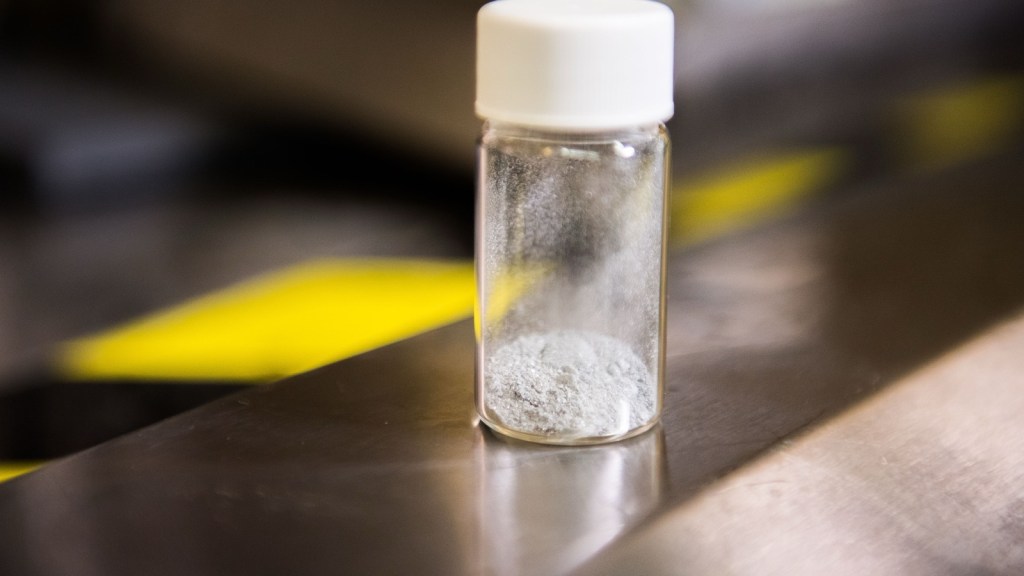
What’s sold is powder: lyophilized BPC-157 in glass vials — free base or acetate salt, the two forms FDA is evaluating (Notice) — reconstituted with bacteriostatic water and injected under the skin. Capsules exist too, riding a claim that the peptide survives stomach acid. The claim set: tendon, ligament and muscle repair, gut healing, wound healing — “pleiotropic beneficial effects in various preclinical models,” as one review puts it (Review).
The category matters. BPC-157 is approved by no regulator anywhere, “due to the absence of sufficient and comprehensive clinical studies confirming its health benefits in humans” (Review) — and it isn’t a dietary supplement either, USADA noting “there appears to be no legal basis for selling BPC-157 as a drug, food, or a dietary supplement” (Advisory). It’s an experimental unapproved drug from a gray market our field guide to research peptides takes apart vial by vial. This piece is narrower: what the evidence for the healing claims actually looks like.
The Rodent Evidence Is Real
Start where the hype starts, because it isn’t nothing.
Put BPC-157 on fibroblasts taken from rat Achilles tendons and things happen. It “significantly accelerated the outgrowth of tendon explants,” kept cells alive under oxidative stress, and “markedly increased the in vitro migration of tendon fibroblasts in a dose-dependent manner” — while raising phosphorylation of FAK and paxillin, the proteins governing how a cell grips its surroundings and crawls (Study). It didn’t make the cells multiply; it made them move — at 0.1 to 0.5 µg/mL, pipetted straight onto the dish (Study).
The blood-vessel arm is just as coherent. BPC-157 up-regulates VEGFR2 — the main receptor for vascular endothelial growth factor — and promotes its internalization alongside Akt and eNOS activation, producing new vessels in a chick-embryo assay and faster blood-flow recovery in rats with hind-limb ischemia (Study). In isolated rat aorta it relaxes vessels through a Src–caveolin-1–eNOS pathway, largely — though not entirely — dependent on an intact endothelium (Study).
That is a real mechanism, told consistently, in dish and rodent, for three decades — and the preclinical safety picture is clean: “preclinical safety studies showed no adverse effects across several organ systems.” The HSS Journal reviewers’ own top line is that BPC-157 “shows promise for promoting recovery from musculoskeletal injuries” (Systematic review). The problem with BPC-157 was never that the studies are fake. It’s that this is where they stop.
Why It Never Reached Humans
The gap between a rat tendon and a human tendon is where drugs go to die, and BPC-157 has never seriously tried to cross it.
The HSS Journal numbers are the spine: 544 articles across 31 years, 36 included, 35 preclinical and exactly one clinical. The review calls itself “a systematic review of level IV and level V studies” — case series and expert opinion, the bottom of the evidence hierarchy — and found no randomized controlled trial to include (Systematic review). Read “no clinical safety data were found” the way it’s written: not safe, unstudied.
Then the structural tell. In a 2025 exchange in Pharmaceuticals, critics report that a PubMed search returns more than 190 articles containing “BPC 157,” of which more than 80% list P. Sikiric or S. Seiwerth — of the University of Zagreb, the group that originated the peptide — as first or senior author, while “independent laboratories have contributed only a handful of in vitro or short-term rodent studies” (Reply).
Handle that number carefully. It’s an unaudited count from critics inside an active dispute: a search date and a database list, but no screening criteria, no method for telling one researcher’s papers from another’s, and the figure stated two non-identical ways in the same letter. Take the magnitude, not the decimal. Even discounted, the shape is the point, and the critics name the consequence: “Heavy reliance on self-replication inevitably restricts generalizability and increases the risk of confirmation bias” (Reply). Even the premise under the capsule market is circular: BPC-157’s “stability in human gastric juice” traces to the originating group citing its own work (Review).
To be fair to Zagreb, they haven’t answered that charge — their comment predates it, and argues instead that reliability comes from comparing routes of administration within one model (Comment). But an unbroken run of positive results concentrated in one lab isn’t what a drug looks like on the way to approval. It’s what a hypothesis looks like before anyone has tried to break it.
The Entire Human Record
Here is every registered human trial of BPC-157 ever run. There are two. Neither has posted results (Registry).
The first, NCT02637284, is a Phase 1 safety and pharmacokinetics study of “PCO-02” — trade name Bepecin — sponsored by PharmaCotherapia in Tijuana, registered in December 2015 with an estimated 42 healthy volunteers. Its registry status today is UNKNOWN: last updated 22 December 2015, untouched for over a decade, no results posted (Trial) — FDA went looking and found the same nothing (Briefing document). That enrollment figure was only ever an estimate, so it isn’t even established that anyone was dosed. And the detail nobody retells: it tested oral tablets, 1 mg each, against a matching oral placebo. The one human safety trial ever attempted didn’t study the injection people actually use.
The rest is barely longer than the sentence describing it. A retrospective chart review at a single Florida clinic looked back at 17 patients given intra-articular BPC-157 for knee pain; 11 of 12 who received it alone reported improvement — with no control group, no blinding, no imaging endpoint, no standardized function measure, and a first author who founded the clinic whose charts he reviewed (Study). That is the HSS Journal review’s lone clinical entry (Systematic review). After it: a 2025 intravenous “pilot study” from the same lead author and clinic, which enrolled two people (Pilot study).
A 2026 narrative review in Pharmaceutics does the arithmetic — “fewer than 30 subjects across three uncontrolled pilot studies” — and argues the best sentence anyone has written about this molecule: “The primary barrier to clinical translation is not the absence of biological activity, but the absence of fundamental pharmaceutical science” (Review). Sikiric’s group concedes the substance of it, calling the human studies “scarce” and short on sample size, ethnic variation, and sham controls (Comment).
Which brings us to the void under every dosing protocol online. Pharmacokinetics — what happens to a dose once it’s in you — has been formally characterized just once, in rats and dogs. Mean intravenous half-life was 15.2 minutes in rats and 5.27 minutes in beagles; intramuscular bioavailability ran 14–19% in rats but 45–51% in dogs (Study) — a threefold species gap between two animals, neither of which is you. Human PK “remains critically undercharacterized” (Review), and the two-person IV pilot measured safety biomarkers, not plasma concentrations (Pilot study). Every microgram in every protocol on every forum is an animal extrapolation.
Then, on 2 February 2026, something genuinely new. NCT07437547 is a Phase 2, randomized, quadruple-masked, placebo-controlled trial from Hudson Biotech in 120 planned participants with MRI-confirmed grade II hamstring strain, giving subcutaneous BPC-157 once daily for 14 days against matched placebo. The primary outcomes are the ones that matter: days to unrestricted return to sport, and MRI-measured injury volume at day 14. Primary completion is estimated for 14 February 2027, full completion February 2028, no results yet (Trial).
Keep the asterisks visible: a single site — Peking University Shenzhen Hospital — a registry entry untouched since February 2026, and a registration is a plan, not data. Still: thirty-one years in, someone is finally running the study.
The Mechanism Cuts Both Ways
The healing story and the safety worry are the same sentence.
BPC-157’s headline mechanism is pro-angiogenic signaling through VEGFR2 (Study) — and VEGFR2 is precisely the receptor oncology has spent decades learning to block. So: does a peptide that tells blood vessels to grow do anything unwelcome in a body that contains a tumor?
Nobody knows, and the honest answer is a live argument. The critics: “pro-angiogenic signaling remains a plausible tumor-promoting hazard,” and “no published in vivo data demonstrate that BPC 157 inhibits tumor progression, reduces tumor volume, or suppresses metastasis” — the anti-tumor work Zagreb cites, they argue, addressed cachexia and inflammation in tumor-bearing animals rather than tumor growth (Reply). Zagreb’s answer: BPC-157 “controls a balance between competing proangiogenic and antiangiogenic mediators” — a modulator, not an accelerant — and the safety speculations are “false interconnections that do not exist.” Their strongest counter-evidence, fewer melanoma lung metastases in mice, is labeled in their own text as unpublished (Comment).
This is not a cancer scare. It’s an unresolved question — worse, because the study that would settle it doesn’t exist: FDA “did not identify carcinogenicity studies of BPC-157 (free base) or BPC-157 acetate” (Briefing document).
And USADA’s line stops sounding like rhetoric: “Because BPC-157 has not been extensively studied in humans, no one knows if there is a safe dose, or if there is any way to use this compound safely to treat specific medical conditions” (USADA). With zero human PK, that’s a literal description.
Then the vial. FDA’s caution is precise: not contamination found, but contamination that can’t be ruled out. No certificate of analysis establishes impurity limits, so “we cannot rule out the potential for immunogenicity associated with these impurities and peptide-related aggregates”; 28-day repeat-dose injection studies in animals also logged altered clotting times and raised liver enzymes (Briefing document). And none of that touches sterility, which is a property of a kitchen counter, not of a peptide.
Banned in Sport, Unapproved
This section is date-stamped: as of mid-July 2026 — and it’s moving.
Anti-doping first, the unambiguous part. WADA added BPC-157 to the 2022 Prohibited List, in force 1 January 2022, under class S0, Non-Approved Substances — “prohibited at all times (in- and out-of-competition),” a class covering “many different substances including but not limited to BPC-157” (List). A first in the List’s history: “For the first time, a substance has been included by name as an example in section S0,” WADA announced, calling BPC-157 “an experimental peptide sold as a supplement” (Announcement). It is still named on the 2026 List (List).
S0 covers substances approved by no regulator anywhere, which closes the last door: “Since BPC-157 is not an approved therapeutic agent in any country, there is no basis for granting a TUE for this substance” (Advisory). No therapeutic use exemption exists, or can: for a tested athlete this isn’t a gray area, it’s a career risk. Nor can you time a washout. Labs can detect BPC-157 down to 0.01 ng/mL, but the metabolism work behind those methods was done entirely in vitro (Study) — and no human excretion study or validated detection window has been published. The confident 48-to-72-hour windows on vendor blogs quote nothing.
Now FDA, where the picture is in motion. If you’ve seen that FDA removed BPC-157 in April 2026 from its list of substances presenting significant safety risks, read it carefully: the removal followed withdrawal of the nominations that put it there — paperwork, not a safety reassessment — and coming off a do-not-compound list confers neither approval nor eligibility to compound (our field guide walks through that list).
Here’s what’s happening. FDA’s Pharmacy Compounding Advisory Committee meets 23–24 July 2026 — six days after this publishes — with BPC-157 free base and acetate on Day 1’s agenda, considered for the 503A bulk drug substances list. One detail deserves flagging: the only use FDA evaluated is ulcerative colitis, not the tendon and ligament healing the peptide is actually bought for (Notice). And on that single use, its briefing document finds “a lack of evidence to support the effectiveness” (Briefing document). Nothing is decided yet — that document is FDA’s pre-meeting evaluation, not a ruling. This section will need revisiting, possibly within days; when it moves, check the Federal Register docket — FDA-2025-N-6895 — not a vendor’s summary of it.
Frequently Asked Questions
Are there any human studies proving BPC-157 works?
As of mid-July 2026, there is not one completed, published human trial of BPC-157. Only two human trials have ever been registered, neither has posted results, and in total fewer than 30 people have been studied across three small, uncontrolled pilot studies. A 2025 systematic review counted 35 animal studies against a single clinical one and found no randomized trial and no human safety data. For the first time, a 120-person placebo-controlled trial in people with hamstring strains is now running, but its earliest results are not expected until February 2027.
Is BPC-157 FDA approved?
No. BPC-157 is approved by no regulator anywhere, and it is not classified as a dietary supplement either. An FDA advisory committee was set to consider it on July 23 to 24, 2026, but the only use FDA evaluated was ulcerative colitis, a bowel condition, rather than the tendon and ligament healing it is usually bought for. On that single use, FDA’s pre-meeting briefing document found a lack of evidence to support its effectiveness.
Does BPC-157 cause cancer?
No one knows, and the article treats this as an unresolved question rather than a cancer scare. BPC-157 appears to work partly by signaling blood vessels to grow, and some researchers argue that same pro-vessel activity may be a plausible tumor-promoting hazard, a point the peptide’s original lab disputes. The bigger issue is that no carcinogenicity study of BPC-157 has ever been done, so there is simply no data to settle it.
Is BPC-157 banned by WADA for athletes?
Yes. The World Anti-Doping Agency added BPC-157 to its 2022 Prohibited List under class S0 (non-approved substances), banned at all times both in and out of competition, and it is still named on the 2026 list. Because it is not an approved medicine in any country, no therapeutic use exemption can be granted, so for a tested athlete it represents a real career risk. Labs can detect it at very low levels, and no published human excretion study or validated washout window exists, so the 48-to-72-hour clearance windows quoted on vendor blogs are not backed by evidence.
What is a safe dose of BPC-157?
The article’s answer is that no safe dose is known, because how the peptide behaves once it is inside a human body has never been measured. The only published data on what happens to a dose come from rats and dogs, and even those two species differed widely from each other. As USADA puts it, no one knows if there is a safe dose, so every microgram in the dosing protocols circulating online is really just an extrapolation from animals.
Key Takeaways
- The count is 35 preclinical to 1 clinical. A 2025 systematic review identified 544 articles from 1993 to 2024 and included 36 — 35 animal studies against a single human one, no RCT anywhere in it, and “no clinical safety data were found” (Systematic review).
- Roughly four in five papers come from one lab. By the critics’ own unaudited count, more than 80% of 190-plus “BPC 157” papers list the same two Zagreb researchers as first or senior author — self-replication that “restricts generalizability and increases the risk of confirmation bias” (Reply).
- The whole human record is two registered trials, zero results. An abandoned 2015 Phase 1 of oral tablets, UNKNOWN since December 2015 (Trial), plus fewer than 30 people across three uncontrolled pilots (Review) — and now the first real test, a 120-person placebo-controlled hamstring RCT reading out from February 2027 (Trial).
- No human PK means no known safe dose. The only published pharmacokinetic data are a 15.2-minute IV half-life in rats and 5.27 minutes in dogs (Study), so USADA’s “no one knows if there is a safe dose” is literal (USADA).
- The mechanism is the open safety question. Pro-angiogenic VEGFR2 signaling is both the healing story and a “plausible tumor-promoting hazard” that remains unresolved (Reply) — and no carcinogenicity study of BPC-157 exists (Briefing document).
- Banned in sport, unapproved everywhere — as of mid-July 2026. WADA class S0 on the 2026 List (List), no TUE possible (Advisory); FDA’s advisory committee takes it up 23–24 July 2026 (Notice), so recheck the docket rather than trust this box.
Interesting Enough to Wait For
There’s a version of this article that calls BPC-157 snake oil, and it would be wrong. The rat data are real, and the mechanism is coherent enough to deserve a serious trial. Plenty of good drugs started exactly here.
But that’s the point: they started here, and then they went somewhere. BPC-157 has been standing on this spot since 1993, and the reason isn’t conspiracy — nobody built the pharmaceutical science that turns an interesting rat result into a medicine. Which means that right now, the only way to learn what BPC-157 does in a human body is to be the experiment: unknown dose, unknown purity, unknown sterility, an unresolved cancer question, and a ban if you compete.
Except that, for the first time in three decades, it’s changing. Somebody is running the actual trial — real patients, real hamstring tears, real placebo, an MRI as the judge. The earliest readout is February 2027, roughly seven months away. Waiting is cheap; self-injecting is expensive. If BPC-157 works, it will still work in 2027 — and you’ll know by how much.
So don’t self-inject. If a stubborn tendon has you reading peptide forums at midnight, that’s a conversation for a clinician who can weigh options that finished their trials. If you compete, check your sport’s list and your local law first.
The evidence is still building — and for the first time in 31 years, someone is actually building it. That’s worth waiting for.
This article is for educational purposes and is not medical advice. Talk to a qualified clinician before changing your health regimen.


Leave a Reply