Part of our guide: GLP-1 Drugs: Muscle Loss, Protein, Pills and Microdosing
Here is a fact that should make the supplement aisle nervous: in a 3-month head-to-head trial, a yellow plant compound dropped blood sugar about as much as metformin, the most-prescribed diabetes drug on Earth (Trial). That compound is berberine, and the strongest berberine benefits are real, measurable, and backed by dozens of randomized trials. So why did it actually go viral? For the one thing it isn’t — a “natural Ozempic.” This is an evidence-first reality check: we’ll take berberine seriously where the data is strong, and methodically dismantle the hype where it isn’t.
What Is Berberine
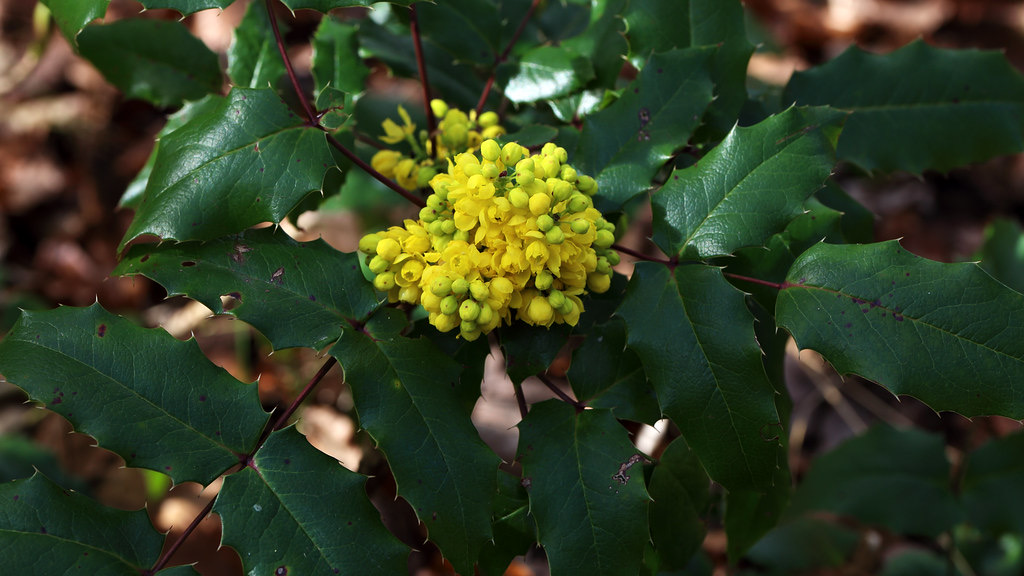
Berberine is a bright yellow plant alkaloid found in goldenseal, barberry, Oregon grape, and tree turmeric. Traditional medicine systems in China and India have used these bitter, golden-rooted plants for centuries — for infections, digestive complaints, and what we’d now call metabolic trouble. Today it’s sold in capsules as a metabolic supplement, and that single word — supplement — is the most important thing to understand about it. Berberine is not a drug. It isn’t reviewed or approved by the FDA for safety or effectiveness before it reaches a shelf (Review). That distinction will matter a great deal by the end of this article.
What makes berberine interesting to scientists isn’t folklore. It’s that the compound activates a cellular pathway called AMPK — the same energy-sensing switch that metformin and exercise nudge. That mechanism, not appetite, is the foundation of everything berberine actually does, and the reason the “Ozempic” framing falls apart on inspection.
How It Works: AMPK
To understand berberine, you have to understand one enzyme: AMP-activated protein kinase, or AMPK. Think of it as the cell’s metabolic master switch — a fuel gauge that flips on when energy runs low, telling cells to pull in glucose, burn fat, and stop wasteful storage. Berberine throws that switch.
The molecular trigger is surprisingly elegant. Berberine inhibits mitochondrial respiratory Complex I, the first station in the cell’s energy assembly line. That mild inhibition raises the ratio of “spent” energy (AMP) to “fresh” energy (ATP), which is exactly the signal AMPK is built to detect — and it activates (Study). Crucially, this is the same upstream mechanism metformin uses. Berberine isn’t mimicking a weight-loss drug; it’s traveling the same metabolic road as the world’s leading diabetes medication. Early lab work confirmed the downstream payoff: berberine activated AMPK in cell cultures, improved glucose tolerance in diabetic mice without changing how much they ate, and lowered triglycerides and body weight in high-fat-fed rats (Study).
There’s a second, less obvious mechanism happening in the gut. Because so little berberine is absorbed (more on that later), much of it lingers in the intestine and reshapes the gut microbiome. Reviews describe several routes: berberine enriches short-chain fatty acid (SCFA)-producing bacteria, raises levels of Akkermansia muciniphila to strengthen the gut barrier, and lowers inflammation-driving microbes — and gut bacteria even convert some berberine into a more absorbable form, partly rescuing its poor bioavailability (Review). Newer comprehensive reviews frame AMPK as the central node in a genuinely multi-target compound — improving insulin sensitivity, suppressing the liver’s glucose output, and increasing glucose uptake, all working alongside the gut effects rather than through any incretin shortcut (Review).
The Blood Sugar Evidence
This is where berberine earns its keep. The glucose-lowering data is the deepest, most consistent part of the literature — not a handful of cherry-picked studies, but dozens of randomized controlled trials pooled into large meta-analyses.
Start with scale. One 2022 meta-analysis pooled 37 RCTs covering 3,048 type 2 diabetes patients for fasting glucose and 31 RCTs (2,683 patients) for HbA1c. Berberine cut fasting plasma glucose by a weighted mean of −0.82 mmol/L (roughly −14.8 mg/dL) and HbA1c — the three-month blood-sugar average — by −0.63%, both highly significant. Two-hour post-meal glucose also fell by −1.16 mmol/L (Meta-analysis). A second, even larger 2021 meta-analysis of 46 RCTs (4,158 participants) landed in the same neighborhood: fasting glucose down −0.89 mmol/L (about −16 mg/dL) and HbA1c down −0.75% (Meta-analysis). And an independent 2019 meta-analysis of 28 studies (2,313 patients) corroborated the direction, with fasting glucose down −0.54 mmol/L and post-meal glucose down −0.94 mmol/L (Meta-analysis). Three separate teams, thousands of patients, one consistent signal.
Now the headline claim — the metformin comparison. In a direct head-to-head trial, 36 type 2 diabetes patients took either berberine or metformin, both at 500 mg three times daily for three months. Berberine dropped HbA1c from 9.47% to 7.48% (a ~2-point fall) versus metformin’s 9.15% to 7.72%; fasting glucose and post-meal glucose tracked just as closely. The authors concluded plainly that “the hypoglycemic effect of berberine was similar to that of metformin” (Trial). That single small trial would be flimsy on its own — but the meta-analytic data backs it up. A subgroup analysis of those 46 RCTs found that compared with conventional Western antidiabetic drugs (including metformin), there was no significant difference in HbA1c, fasting glucose, or post-meal glucose when berberine was used alone (Meta-analysis).
One honest caveat from the 2019 data: berberine’s glucose-lowering punch weakened with treatment longer than 90 days, doses above 2 g/day, and in patients over 60 (Meta-analysis). It’s a real effect — but not a limitless one.
Lipids and Beyond
Berberine’s second-best story is your cholesterol panel. A meta-analysis of 16 RCTs in people with dyslipidemia (2,147 patients) found berberine lowered total cholesterol by −0.47 mmol/L (~−18 mg/dL), LDL cholesterol by −0.38 mmol/L (~−15 mg/dL), and triglycerides by −0.28 mmol/L (~−25 mg/dL), with a modest HDL bump of +0.08 mmol/L when used alone — and no significant increase in adverse events, though the trials carried high heterogeneity and risk of bias (Meta-analysis). In diabetic patients specifically, the lipid effects looked even larger: triglycerides down −0.50 mmol/L, total cholesterol −0.64 mmol/L, and LDL −0.86 mmol/L, though with high between-trial variability that should temper your confidence (Meta-analysis).
The metabolic story extends, more tentatively, into PCOS — polycystic ovary syndrome, where insulin resistance is a core driver. A meta-analysis of 9 RCTs compared berberine against metformin in women with PCOS and insulin resistance and found no statistically significant difference between them on HOMA-IR, the standard insulin-resistance measure (Meta-analysis). A separate systematic review of 12 RCTs (1,544 women) reached a similar verdict — berberine and metformin “have similar effect on reducing IR” — and even suggested berberine edged out metformin on testosterone, lipids, and body-fat distribution (Meta-analysis).
Here’s where honesty matters. That PCOS edge looks exciting, but a network meta-analysis cautioned that the berberine-versus-metformin comparison often rests on a single small head-to-head trial, and that the results “should be interpreted with caution since they are based on data from only two head-to-head trials of low quality” (Meta-analysis). Likewise, the metabolic-syndrome evidence comes from just 12 placebo-controlled trials (889 participants), most carrying methodological concerns (Meta-analysis). Promising? Yes. Settled? Not yet.
Not Nature’s Ozempic
Now for the claim that made berberine a TikTok celebrity — and the one the evidence flatly refuses to support. Berberine is not a GLP-1 receptor agonist. Ozempic and Wegovy (semaglutide) work by mimicking the gut hormone GLP-1, which suppresses appetite and slows stomach emptying so you eat dramatically less. Berberine does none of that at drug magnitude.
The mechanisms aren’t even cousins. As we’ve seen, berberine works through AMPK — a cellular energy sensor — and improved insulin sensitivity, not by flooding your brain with satiety signals (Study). Clinical commentary aimed at pharmacists put it bluntly: the “nature’s Ozempic” framing is “misleading and not supported by scientific evidence,” noting there is “little evidence that berberine directly increases satiety” (Pharmacy Times).
And the magnitude gap is the killer detail. That same explainer pegs berberine’s weight effect at a modest ~2 to 4 kg (about 4 to 9 lb), against the roughly 10%+ body-weight loss seen with GLP-1 therapies — a 2.5-to-5-fold difference favoring the prescription drugs (Pharmacy Times). And a meta-analysis of 12 RCTs confirms the small number on the berberine side: a weight reduction of −2.07 kg, a BMI drop of −0.47, and a −1.08 cm waist change (Meta-analysis). Those are perfectly respectable metabolic effects for a supplement — but they are not, by any honest reading, a stand-in for a GLP-1 drug. Berberine earns its place on glucose and cholesterol. It does not earn the Ozempic comparison.
The Catch: Absorption & Safety
Here’s the inconvenient truth hype blogs skip: most of the berberine you swallow never reaches your bloodstream. Its absolute oral bioavailability is staggeringly low — around 0.37% in rats, with human plasma levels near-undetectable — because the intestine eliminates most of it on first pass and a pump called P-glycoprotein actively shoves it back out (Review). Under 1%. That’s the central paradox: a compound that barely gets absorbed still moves blood sugar, largely because so much of its action happens in the gut itself.
That same poor absorption is why berberine sits in your digestive tract irritating it. In the metformin head-to-head study, 34.5% of berberine users across the cohort had gastrointestinal side effects — flatulence, diarrhea, constipation, abdominal pain — mostly in the first four weeks. The fix was simple: cutting the dose made the symptoms vanish within a week (Trial). A meta-analysis confirms these effects are typically mild and transient, relieved by taking berberine after meals or lowering the dose, with no serious adverse reactions reported and no significant difference versus control (Meta-analysis).
The drug-interaction risk is more serious, and this is where “natural” stops meaning “harmless.” In healthy volunteers, two weeks of berberine inhibited the liver enzymes CYP3A4, CYP2D6, and CYP2C9 — raising blood levels of probe drugs metabolized by those pathways (Trial). That matters because a huge fraction of common medications run through CYP3A4. The clearest clinical example: in 52 kidney-transplant patients, adding berberine raised blood levels of the immunosuppressant cyclosporine by nearly 89% — a swing big enough to require dose adjustment (Trial). If you take prescription medication — especially metformin, transplant drugs, or anything CYP3A4-dependent — berberine is a clinician conversation, not a casual add-on.
Then there’s the quality of the evidence itself. An umbrella review of 54 systematic reviews of berberine found that, by the AMSTAR-2 standard, only one was high quality, while 83% were rated critically low — and 87% of first authors were from China, raising real questions about geographic and publication bias (Review). Even the best diabetes meta-analyses rate the certainty of berberine’s glucose evidence as only moderate-to-very-low, downgraded mainly for risk of bias, and flag that the trials are concentrated in China, which “weakens the extrapolation of the results” (Meta-analysis).
Finally, the supplement problem. Because berberine isn’t FDA-regulated as a drug (Review), what’s on the label may not be in the bottle. When researchers tested 15 commercial U.S. berberine products, average content was just 75% of the label claim — and 60% failed pharmaceutical-grade accuracy standards, with no link between price and quality (Study). Newer formulations like phytosome and dihydroberberine aim to fix the absorption problem, but they don’t fix the regulatory one.
Frequently Asked Questions
Is berberine as effective as metformin for blood sugar?
The evidence suggests it comes close. In a 3-month head-to-head trial of 36 people with type 2 diabetes, berberine lowered blood sugar about as much as metformin, and a larger pooled analysis of 46 randomized trials found no significant difference between berberine used on its own and standard diabetes drugs on HbA1c, fasting glucose, or after-meal glucose. This glucose-lowering data is berberine’s single strongest claim. The article notes the effect may weaken with use beyond 90 days, at doses above 2 g per day, and in people over 60. Trial
Is berberine really nature’s Ozempic?
No. The article explains that berberine is not a GLP-1 drug like Ozempic and does not suppress appetite the way those medications do. Across 12 trials its weight loss was modest, roughly 2 kg, compared with about 10% or more body-weight loss seen with GLP-1 drugs. Pharmacist commentary quoted in the article calls the viral “nature’s Ozempic” framing misleading and not supported by scientific evidence. Pharmacy Times
What are the side effects of berberine?
The most common issues are digestive. In the metformin comparison study, about 34.5% of berberine users had gastrointestinal side effects such as gas, diarrhea, constipation, or abdominal pain, mostly in the first four weeks. The article says these tend to be mild and temporary and often ease by taking berberine after meals or lowering the dose, with no serious adverse reactions reported in the analyses cited.
Does berberine interact with prescription medications?
Yes, and the article treats this as the more serious concern. Two weeks of berberine inhibited liver enzymes (CYP3A4, CYP2D6, and CYP2C9) that process many common drugs, and in 52 kidney-transplant patients adding berberine raised blood levels of the immunosuppressant cyclosporine by nearly 89%. The article advises talking to a clinician before starting, especially if you take metformin, transplant drugs, or any CYP3A4-metabolized prescription. Trial
Does berberine lower cholesterol?
Studies suggest it may. A pooled analysis of 16 trials in people with high cholesterol found berberine lowered LDL cholesterol by roughly 15 mg/dL and triglycerides by about 25 mg/dL, with a small HDL rise, when used on its own. The article cautions that these trials carried high variability and risk of bias, so the findings should be read with some caution. Meta-analysis
Key Takeaways
- Metformin-comparable glucose control. Across 46 RCTs, berberine monotherapy showed no significant difference from standard antidiabetic drugs on HbA1c, fasting, or post-meal glucose — its single strongest claim (Meta-analysis).
- Real cholesterol drops. Berberine meaningfully lowers LDL (~−15 mg/dL) and triglycerides (~−25 mg/dL) with a modest HDL rise, in people with dyslipidemia (Meta-analysis).
- AMPK, not GLP-1. Its mechanism is Complex I inhibition that activates the AMPK energy switch — the same road metformin travels, not appetite-suppressing gut hormones (Study).
- Not nature’s Ozempic. Across 12 RCTs, berberine’s weight loss is a modest ~2 kg (Meta-analysis) — versus ~10%+ for GLP-1 drugs; pharmacist commentary calls the viral framing “misleading and not supported by scientific evidence” (Pharmacy Times).
- Absorption, GI, and drug interactions. Under 1% bioavailability drives GI upset in ~34% of users and CYP3A4 inhibition that nearly doubled cyclosporine levels in transplant patients (Trial).
- Unregulated supplement — talk to a clinician. It’s not FDA-approved, and 60% of tested products missed their label dose; the evidence base is largely low-quality (Review).
Should You Try Berberine?
Strip away the hype and berberine is genuinely interesting: an AMPK-activating compound with meta-analytic, metformin-comparable effects on blood sugar and a respectable lipid profile. That’s a real biohacking tool — for the right person, with the right expectations. What it is not is a weight-loss miracle or a substitute for a GLP-1 drug. If you came for “nature’s Ozempic,” berberine will disappoint you. If you came for evidence-backed glycemic and cholesterol support, it has a legitimate seat at the table.
But this is precisely the kind of compound where the “natural” label hides sharp edges. The CYP3A4 interactions are not theoretical, the trial base is shakier than the headlines suggest, and the bottle on the shelf may contain a fraction of what it claims. So before you start, talk to a qualified clinician — especially if you take metformin, an immunosuppressant, or any CYP3A4-metabolized prescription. Berberine rewards the honest user and punishes the credulous one.
To be fair, this one is basically a cousin of the pharmacy’s own metformin.
This article is for educational purposes and is not medical advice. Talk to a qualified clinician before changing your health regimen.


Leave a Reply