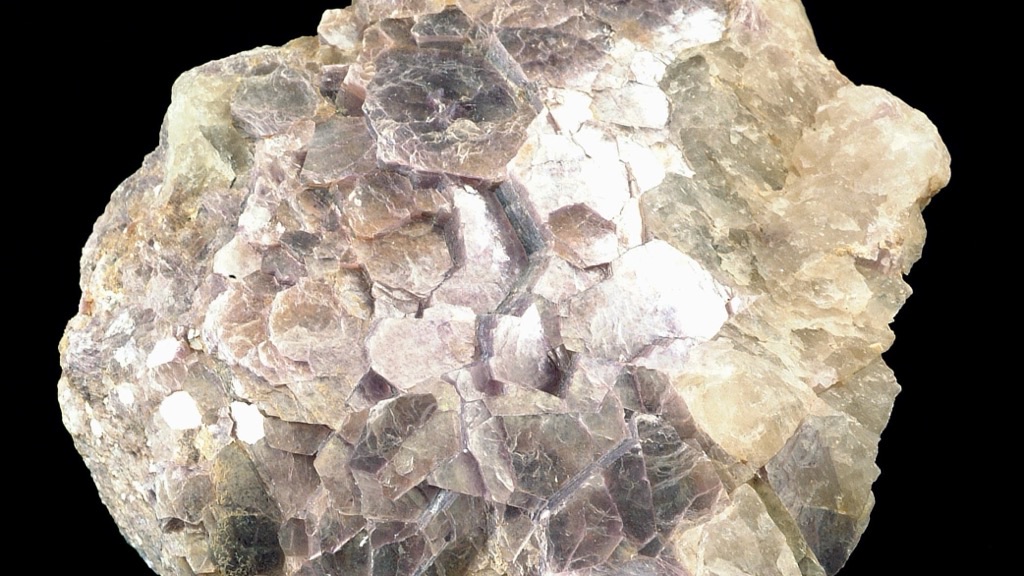
In 1929, a fizzy new drink hit American shelves under the unforgettable name “Bib-Label Lithiated Lemon-Lime Soda.” You know it today as 7Up. For its first two decades it contained lithium citrate — a genuine psychiatric-grade ingredient — marketed as a hangover cure and mood-lifter, until U.S. regulators banned lithium from soft drinks in 1948. That is the strange opening chapter of low-dose lithium: a substance that has lived three separate lives at once, as a folk tonic in spring water, as one of psychiatry’s most important drugs, and now as a gray-market supplement. Understanding the difference between those three is, quite literally, a matter of safety.
From Lithia Springs to 7Up
The lithia-water craze was real and enormous. Across the 19th and early 20th centuries, mineral springs naturally rich in lithium were bottled and sold as health tonics, and spa towns built their reputations on “lithia” waters promising to cure everything from gout to melancholy. Charles Leiper Grigg’s lemon-lime soda rode that same wave, lacing its formula with lithium citrate at a time when “lithiated” was a selling point rather than a warning label.
Then the science caught up. The very element being splashed into soda turned out to be a powerful psychoactive drug — one that, at the wrong dose, is genuinely dangerous. By 1948 lithium was pulled from soft drinks, and within a year it would re-emerge in a completely different role: as a serious medicine. That whiplash — from soda-fountain novelty to monitored prescription drug — is the throughline of this whole story, and the reason the rest of this article keeps three very different things rigorously apart.
This is an explainer about the science, not a how-to. Lithium is one of the most genuinely fascinating molecules in mental health. It is also a drug with a famously narrow margin for error.
What Lithium Actually Is
Lithium is the third element on the periodic table — the lightest metal there is — and a naturally occurring trace element that every one of us ingests in tiny amounts through food and drinking water. There is no escaping it; it is part of the background chemistry of the planet. But “lithium” on a soda label, “lithium” in a psychiatric clinic, and “lithium” on a supplement bottle are wildly different exposures, and conflating them is exactly how people get hurt.
The single most important idea in this piece is a three-way distinction.
First, prescription lithium carbonate (or citrate), taken at therapeutic mood-stabilizing doses. A standard 300 mg lithium carbonate tablet contains 8 mEq of lithium ion — roughly 55–56 mg of elemental lithium — and adults are typically dosed at 900–1,800 mg/day, equal to about 170–340 mg of elemental lithium daily, titrated to a tight serum target with mandatory blood monitoring (FDA label). This is the dose that treats bipolar disorder, and it is the dose that can poison you.
Second, trace lithium in drinking water, measured in micrograms per litre — about a thousandfold below a single supplement tablet. Across the major drinking-water studies, mean concentrations ran from roughly 3.8 to 46.3 µg/L (Meta-analysis). These are the levels the intriguing epidemiology is built on.
Third, OTC lithium orotate, sold over the counter as a “nutraceutical.” Lithium orotate is only about 3.83% elemental lithium by weight versus 18.8% for the carbonate — roughly five times less concentrated — so a typical tablet delivers only single-digit milligrams of elemental lithium, around 5 mg (Wikipedia). One documented orotate supplement tablet contained 3.83 mg of elemental lithium (Review). That sits an order of magnitude below prescription doses — but, crucially, in a legal and quality gray zone with no oversight.
Hold those three apart. Almost every confusion about lithium dissolves once you do.
Cade’s 1949 Discovery
Lithium’s medical career began with a hunch and a guinea pig. In 1949, the Australian psychiatrist John Cade published a paper in the Medical Journal of Australia describing how lithium salts calmed agitated, manic patients — one of whom had been hospitalized for years and was discharged within months. That single observation launched the entire field of modern mood-stabilizer psychiatry.
Seventy-five years later, lithium remains a first-line treatment for bipolar disorder and is widely regarded as having the strongest anti-suicide evidence of any mood drug. But it earns that status only inside a punishingly tight window. The recognized therapeutic serum range for bipolar disorder is roughly 0.6–1.2 mEq/L, and because toxicity begins only slightly above it, lithium is the textbook example of a narrow-therapeutic-index drug requiring routine blood-level monitoring (Review). An expert task force put the optimal maintenance target even lower and tighter — a standard 0.60–0.80 mmol/L — noting that lithium “has a very low therapeutic index,” meaning a small gap between the level that helps and the level that harms (Systematic review).
So the drug that works is also the drug that demands constant vigilance. That tension — real benefit, slim safety margin — is the backdrop for everything the epidemiology hints at next.
Trace Lithium and Suicide
Here is where lithium gets genuinely strange. If therapeutic lithium prevents suicide in patients, what about the trace lithium nature has already dissolved into our tap water?
The central peer-reviewed pillar is a 2020 systematic review and meta-analysis in The British Journal of Psychiatry (Meta-analysis). From 415 articles screened, the authors pooled 15 ecological studies covering regions, counties, and cities across seven countries — Japan, Austria, the USA, England, Greece, Italy, and Lithuania — and found a significant inverse association: higher naturally occurring lithium in drinking water tracked with lower total suicide mortality, with a pooled standardized beta of −0.27 (95% CI −0.47 to −0.08; P = 0.006) (Meta-analysis). The signal held for female suicide (beta −0.13; P = 0.03), while the male-suicide estimate pointed the same direction but was not statistically significant (beta −0.26; P = 0.08) (Meta-analysis).
Remarkable as that is, honesty requires a hard caveat. Every study in the analysis was ecological — it compared whole populations, not individuals. That design is vulnerable to the ecological fallacy (a region-level pattern need not hold for any one person) and to confounding by everything else that varies between places. The authors themselves draw no causal conclusion and explicitly call for randomised community trials before anyone acts on a policy level (Meta-analysis). What we have is a provocative, consistent population-level signal at microgram exposures — a question worth chasing, not a verdict.
Could It Protect the Aging Brain?
The trace-lithium story does not stop at mood. It reaches into the aging brain — which is what earns this piece its longevity thread.
The standout data come from a 2017 nationwide Danish study in JAMA Psychiatry, a nested case-control analysis of 73,731 dementia patients and 733,653 matched controls (Case-control). Higher long-term lithium in drinking water was associated with lower dementia incidence — but in a non-linear, inverted-J pattern that resists a simple “more is better” reading. Against a 2.0–5.0 µg/L reference, dementia risk actually rose at intermediate exposure (incidence rate ratio 1.22 at 5.1–10.0 µg/L) before dropping at the highest exposure (IRR 0.83 — about 17% lower — at 15.1–27.0 µg/L) (Case-control). At that highest exposure the IRRs were 0.78 for Alzheimer disease and 0.87 for vascular dementia — and the authors stress this is observational and cannot establish causation, since confounding from factors tied to where people live can’t be excluded (Case-control).
Then there is the tantalizing little human trial. A 2013 pilot gave Alzheimer’s patients a microdose of just 300 micrograms of lithium once daily for 15 months; the lithium group’s Mini-Mental State Examination scores held steady while the control group declined, with significant differences emerging from three months on (Trial). It enrolled 113 participants (Review). It is a striking result — and a fragile one. Independent reviewers caution it was only a small pilot: it is unknown whether the cognitive effect was clinically meaningful, and trial quality is hard to judge because unusually little detail on methods and participants was reported (Review). One tiny pilot is a signal, not proof.
The mechanism, at least, is biologically plausible. At subtherapeutic concentrations in preclinical Alzheimer’s models, lithium acts as an inhibitor of the enzyme GSK-3β, which in turn is reported to reduce tau hyperphosphorylation and amyloidogenic processing while boosting BDNF, Wnt/β-catenin signaling, and autophagy — though the authors stress these are preclinical findings not yet translated to confirmed clinical benefit (Review). A 2024 review describes the same GSK-3β-centered story — less tau phosphorylation and fewer neurofibrillary tangles, more BDNF, enhanced hippocampal neurogenesis, reduced amyloid-beta — while explicitly warning that the exact mechanism “remains unclear,” clinical trials are early-stage, and results have been inconsistent (Review). Earlier work links lithium’s GSK-3 inhibition to relieved suppression of survival transcription factors, higher BDNF, and hippocampal neurogenesis — solid biological plausibility (Review). Plausibility is the operative word. Mechanism is a reason to test, not evidence that it works.
The Serious Safety Problem
Now the heart of the matter — the part that makes lithium fascinating and dangerous, and the reason “just try a supplement” is the wrong instinct.
Start with that narrow window. Therapeutic levels sit around 0.6–1.2 mEq/L, but toxicity begins close behind: mild toxicity (nausea, vomiting, tremor, lethargy) at 1.5–2.5 mEq/L, moderate (confusion, delirium, tachycardia) at 2.5–3.5 mEq/L, and severe (coma, seizures, hypotension) above 3.5 mEq/L (Review). Because the toxic dose sits so near the therapeutic one — levels above about 2 mEq/L are considered toxic — serum levels must be monitored regularly (Review). There is no comparable monitoring infrastructure around a supplement bottle.
Then the long-term organ toll. A 2012 meta-analysis found that lithium markedly raised the risk of clinical hypothyroidism (odds ratio 5.78) and cut urinary concentrating ability by about 15% of the normal maximum, though clinically significant renal failure remained uncommon (0.5% needing renal replacement therapy) (Meta-analysis). A large 2015 cohort sharpened the picture: lithium exposure roughly doubled the risk of stage 3 chronic kidney disease (hazard ratio 1.93) and hypothyroidism (HR 2.31), and raised serum calcium (HR 1.43), with women — especially younger women — at greatest risk (Cohort). The most common renal effect is nephrogenic diabetes insipidus (impaired urine concentration and excessive urination); reviews report a wide prevalence and a roughly sixfold increase in end-stage renal disease among long-term users (Review).
The drug interactions are where everyday medications turn dangerous. Thiazide diuretics have the greatest potential to raise serum lithium, often producing a 25–40% increase soon after they’re started (Review). ACE inhibitors raise steady-state lithium concentrations by about a third (and cut renal clearance by roughly a quarter), an interaction with a delayed onset that develops over weeks and hits the elderly hardest (Study). Even over-the-counter NSAIDs typically push lithium levels up 10–25% (occasionally far more), with thiazides occasionally driving levels up to fourfold (Review). A common painkiller, a blood-pressure pill — these can quietly tip a stable patient into toxicity.
And pregnancy. First-trimester lithium use increases the risk of cardiac malformations in the infant, dose-dependently: in a cohort of over 1.3 million pregnancies, cardiac malformations occurred in 2.41% of lithium-exposed infants versus 1.15% unexposed (adjusted risk ratio 1.65), rising to an aRR of 3.22 above 900 mg/day (Cohort). A pooled meta-analysis of six cohorts confirmed higher major-malformation rates (7.4% vs 4.3%; adjusted OR 1.71), though the cardiac-specific signal had wide confidence intervals and no cases of Ebstein’s anomaly were observed (Meta-analysis).
Which brings us to the OTC gray area. Lithium orotate is not FDA-approved; it is sold over the counter as a dietary supplement, unlike prescription carbonate or citrate, and a 2021 review states plainly that no clinical trials for its use in bipolar disorder have been conducted and that “clinical application is not recommended at this time” given the scarcity of safety and benefit data (Review). These products are sold online with minimal oversight and none of the safety monitoring required of prescription drugs — and they can cause toxicity in overdose, as documented when an 18-year-old swallowed 18 tablets (Study). The legal status even flips across borders: a dietary supplement in the U.S., lithium orotate is regulated as a prescription drug in Canada, where authorities say it should be used only under a healthcare professional’s supervision (Report). The lesson is unmissable: this is a drug, not a casual supplement.
Frequently Asked Questions
Did 7Up originally contain lithium?
Yes. When it launched in 1929 as “Bib-Label Lithiated Lemon-Lime Soda,” the drink now known as 7Up contained lithium citrate, a real psychiatric-grade ingredient, marketed as a hangover cure and mood-lifter. U.S. regulators banned lithium from soft drinks in 1948, and within a year the same element re-emerged in a completely different role as a prescription medicine.
Is lithium orotate safe to take as an over-the-counter supplement?
The article treats this as a gray area, not a safe casual supplement. Lithium orotate is not FDA-approved and is sold over the counter with minimal oversight and none of the blood monitoring required of prescription lithium. A 2021 review notes no clinical trials have been done for bipolar disorder and states that clinical use is “not recommended at this time,” and overdose can cause toxicity, as documented when an 18-year-old swallowed 18 tablets. It is also regulated as a prescription drug in Canada, so the article advises checking your local laws and involving a clinician (Review).
Does lithium in drinking water actually lower suicide rates?
A 2020 meta-analysis in The British Journal of Psychiatry pooled 15 ecological studies across seven countries and found that higher naturally occurring lithium in drinking water was associated with lower total suicide mortality (pooled beta of -0.27). However, every study compared whole populations rather than individuals, so it is a population-level signal, not proof of cause, and the authors themselves call for randomised community trials before acting on it (Meta-analysis).
Can low-dose lithium help prevent dementia or Alzheimer’s?
The evidence is intriguing but far from settled. A 2017 nationwide Danish study linked the highest long-term lithium levels in drinking water to about 17% lower dementia incidence, though the pattern was non-linear and the authors stress it is observational and cannot establish cause. A separate 2013 pilot gave Alzheimer’s patients a microdose of 300 micrograms of lithium daily and saw their cognitive scores hold steady while a control group declined, but reviewers caution it was a tiny pilot with too little detail to judge its quality. The article frames all of this as a signal worth watching, not a proven treatment.
What common medications interact dangerously with lithium?
According to the article, thiazide diuretics have the greatest potential to raise serum lithium, often causing a 25 to 40% increase soon after they are started. ACE inhibitors raise steady-state lithium concentrations by about a third, an effect that builds over weeks and hits the elderly hardest, and even over-the-counter NSAID painkillers typically push levels up 10 to 25%. Because lithium has such a narrow safe range, a common painkiller or a blood-pressure pill can quietly tip a stable patient into toxicity.
Key Takeaways
- Three different things wear the name “lithium.” Trace lithium in tap water (micrograms), prescription lithium carbonate (tens to hundreds of mg elemental, doctor-monitored), and OTC lithium orotate (~5 mg, unregulated) are not interchangeable — a carbonate tablet is about five times more concentrated than orotate (Wikipedia).
- Drinking-water lithium tracks lower suicide rates. A meta-analysis across seven countries found higher natural lithium in water associated with lower total suicide mortality (pooled beta −0.27) — but every study was ecological, so it is a population signal, not proof of cause (Meta-analysis).
- It may track lower dementia, with a plausible mechanism. A Danish study of over 800,000 people linked the highest water-lithium exposure to ~17% lower dementia (Case-control), and lithium’s GSK-3β inhibition may cut tau and boost BDNF — though these remain preclinical findings (Review).
- The microdose Alzheimer’s signal is a tiny pilot, not proof. A 113-person trial of 300 µg lithium daily saw cognition hold steady (Trial), but reviewers caution it was a small pilot with too little reported detail to judge its quality (Review).
- Prescription lithium has a narrow window and serious risks. Toxicity starts just above the therapeutic range (Review); long-term use roughly doubles risks of kidney disease and hypothyroidism (Cohort); NSAIDs, thiazides, and ACE inhibitors can spike levels (Review); and first-trimester use raises cardiac-malformation risk dose-dependently (Cohort).
- Do not self-medicate — and check your local laws. OTC orotate is not FDA-approved and “not recommended” clinically (Review); it’s a prescription drug in Canada (Report). Any use of lithium belongs with a clinician and blood monitoring.
Curious, Not Reckless
Lithium is one of the most genuinely fascinating molecules in mental health. It is a literal trace mineral, dissolved in the water we already drink, that somehow carries population-level signals of lower suicide and possibly lower dementia — and a plausible neuroprotective mechanism to go with them. As a story, it is irresistible: the soda-fountain ingredient that became a 75-year-old psychiatric mainstay, the spring-water tonic that modern epidemiology keeps glancing back at.
But fascination is not a prescription. The very same element, at the doses that treat illness, has a razor-thin margin for error — organ toxicity, dangerous interactions with everyday drugs, real harm in pregnancy, and a toxic level that sits just a notch above the helpful one. The OTC orotate on the shelf is unregulated, untested for therapeutic use, and legal in one country yet prescription-only in the next. This is emphatically not a self-experiment supplement.
So stay curious with clear eyes. Watch the emerging trials — particularly the dementia work — and cheer them when they read out. But do not dose yourself. If lithium interests you for a real condition, the move is a frank conversation with a qualified clinician who can monitor your blood, not a bottle ordered online. And before you so much as consider lithium orotate, check the legal status where you live.
Lithium is one trick the supplement aisle can’t sell you safely — leave this one to your clinician.
This article is for educational purposes and is not medical advice. Talk to a qualified clinician before changing your health regimen.


Leave a Reply