Sleep tracker accuracy splits in two. Your ring or watch reads your overnight heart rate well. It lands within about 1 to 2 beats per minute of a medical ECG, the kind a hospital uses (Study). Naming the sleep stage is the shaky half, and no device comes close to a sleep lab (Study). Those stage guesses are worst in people who sleep badly. So trust the trend over weeks, not last night’s chart.
What Sleep Tracker Accuracy Really Means
A hospital sleep study measures sleep directly. The overnight lab test is called polysomnography. It records brain waves, eye movements and muscle tone. Those three signals are what define a sleep stage. A trained reader then labels the whole night in 30-second blocks.
Your ring or watch sees none of that. It shines light into your skin. Then it measures how much light bounces back with each pulse of blood. The name for that trick is photoplethysmography. Add a motion sensor and you have close to the whole input.
So a wearable never sees your brain. It works out your stage from your heartbeat and your stillness. That is not cheating, just indirect. Heart rhythms really do shift between light sleep, deep sleep and REM.
That leaves two questions. Does it read your vital signs right? Does it name the stages right? Yes to the first, and no to the second.
Heart Rate and HRV Hold Up
One team put five popular devices on the same people for 536 nights, each compared against a chest ECG (Study). Only 13 healthy adults took part, so this is many nights from very few people. Overnight resting heart rate from both Oura rings landed within about 1 to 2 beats per minute of the ECG. WHOOP and Polar followed. Garmin sat out that comparison. It never says which part of the day its resting number comes from.
The rings also led on heart rate variability, or HRV. That is the tiny change in the gap between one heartbeat and the next. The gap shifts with your nervous system, which is why people read it as a recovery signal. An Air Force research lab paid for this study, not a device maker.
A larger lab study points the same way. Researchers recorded 114 people overnight with an Oura ring and an ECG running side by side (Study). Heart rate came out within about half a beat per minute of the ECG. HRV was close too, with conditions attached. The noisy stretches had to be thrown out, and the rest averaged over at least half an hour. More than half of the people aged 45 and over missed the accuracy mark for HRV. Most younger ones met it.
Wrist devices do well here too, with a little more slack. A 2025 review of consumer wearables in heart care puts typical resting heart rate error near 2 beats per minute (Review). In a small lab study of six young adults, a 2018-era WHOOP strap matched ECG heart rate almost exactly during deep sleep (Study). Its HRV estimate carried more error. The error was big enough to rival the real night-to-night change a user hopes to spot.
The error is smaller than the thing you are watching. If your resting heart rate climbs 5 beats over a week, a device accurate to 1 or 2 beats will show it.
Good at Sleep, Shaky on Stages
Every independent lab study finds the same pattern. Devices are excellent at spotting sleep and poor at spotting wake.
In one Belgian lab, 62 adults each slept a night under full monitoring (Study). Each wore up to four of the six trackers on test. Most of them were middle-aged men. Every device caught more than 90% of the minutes scored as sleep. On wake, the best device caught just over half the minutes, and the worst caught fewer than 3 in every 10.
An earlier American study of seven consumer devices found the same shape (Study). Its 34 young adults had an average age of 28. Each slept three nights in the lab, and one of those nights was disrupted on purpose. Every device picked up at least 93% of sleep minutes. On wake, they caught between 18% and 54%.
Picture what that means at 3am. You are lying still with your eyes closed. Your mind is racing, but your pulse is slow. To a sensor on your finger or wrist, that looks exactly like sleep. So quiet wakefulness gets filed as light sleep.
The knock-on effects follow from there. Total sleep time usually comes out close, because most of the night really is sleep. One pooled analysis covered 24 studies and 798 people. Nightly sleep totals differed from the lab by roughly 17 minutes (Meta-analysis). Time spent awake in the night differed by roughly 13 minutes. That is close enough to follow a trend, but not close enough to read one night as fact.
The stage breakdown is shakier still. A 2025 review looked at 107 smart ring studies covering about 100,000 people (Review). It rated heart tracking as strong and named staging the weak spot. It points to one sleep clinic test of three rings, where the stage was right only about half the time. Other studies have scored better. So the pie chart you check first every morning is the least settled number on the screen.
The problem gets worse in the people who care most. Researchers tested a Fitbit against a sleep study in adults with insomnia and in good sleepers (Study). In the insomnia group the device added about 33 minutes of sleep the lab never saw. In good sleepers it added about 6 minutes. Device and lab agreed well on 8 in every 10 good-sleeper nights. On insomnia nights they agreed on only 4 in 10.
A modern sleep clinic saw it too. Among 65 patients referred for testing, two older trackers overshot total sleep by around 10 and 28 minutes (Study). In the smaller group with minute-by-minute data, the stage guesses were barely better than chance. The authors wrote that their findings should discourage tracker use in people with insomnia.
Device by Device
Accuracy belongs to one device running one software version, not to a whole category.
Oura has the most validation behind it. Its Gen3 ring was tested in 96 healthy adults in Japan (Study). Each slept up to three nights, with a named software build running. The ring caught about 94% of sleep and about 74% of wake, for overall accuracy near 92%. Stage accuracy ran from roughly 76% for light sleep to roughly 91% for REM. A pooled analysis of six studies and 388 people put Oura’s nightly totals within a few minutes of the lab (Meta-analysis). That is a group average in healthy adults, not a promise for your Tuesday.
WHOOP is solid at the basic job. Across 86 sleeps from 12 young adults in a lab, it agreed on sleep versus wake about 89% of the time (Study). It caught 95% of sleep and about half of wake. On the four-stage breakdown, agreement fell to about 64%. Researchers typed in the bed times by hand, so that is close to a best case.
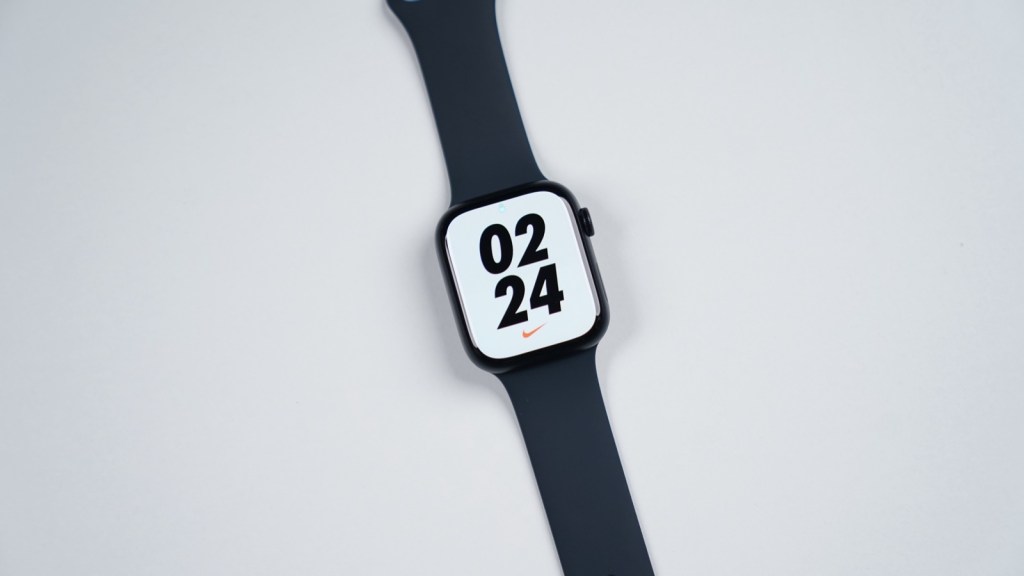
Apple Watch did well in the independent six-device lab. The Series 8 had the best stage agreement and the best wake detection of the six (Study). Even so, it caught only about half the wake minutes, and just 20 people wore it.
Fitbit has the longest track record and lands mid-pack. Two Fitbit models sat behind Apple Watch in that same six-device lab. A separate test of three devices was paid for by Oura (Study). In it, only the Oura ring kept its stage estimates close to the lab. The authors named no winner, and Apple beat Oura on some individual stages.
Two caveats belong under any list like that.
The first is who paid. Reviewers went through 96 sleep technology papers published between 2020 and 2022 (Review). About half had a tie to industry. In 23 of them a company paid for the work, and in 23 more an author had a company job or role. Both of the strongest recent Oura papers were paid for by Oura (Study). The lead author of one sits on the company’s medical advisory board. Independent academics ran the work and named the money openly, which is how it should go. It is still worth knowing.
The second is time. A software update can rewrite the sleep rules inside a device you already own. In a 2025 letter, sleep researchers asked for studies to state the exact model and software version tested (Letter). Most of those authors work for a wearable maker. By the time a result reaches print, it often describes an older build. The proof is easy to see. The first Oura ring was tested in 2019, and it caught only 48% of wake (Study). It agreed on REM about 61% of the time. Same brand, but a different machine.
The Orthosomnia Trap
In 2017, sleep doctors described three patients and gave the pattern a name (Study). Orthosomnia is the perfectionist chase for a good sleep score.
A 40-year-old man blamed his irritability on any night the tracker scored under 8 hours. A 27-year-old woman had a lab sleep study that showed plenty of deep sleep. Her reply was to ask why her Fitbit said she slept poorly.
The authors built the word from orthorexia, the unhealthy pursuit of clean eating. Their point was not that trackers are bad. It was that chasing perfect data seemed to feed the anxiety and got in the way of treatment. These patients trusted the device over the doctor sitting in front of them. Three cases cannot tell us how common that is.
Then someone tested the idea directly. In one trial, 63 adults with insomnia wore a watch and got a report each morning on how well they had slept (Trial). The feedback was fake, and a coin flip decided who got good news. The bad-news group reported feeling less sharp and more tired that evening. Reaction-time testing found no measurable difference between them. A number changed how people felt about a night that had already happened.
The flip side is more encouraging. A trial enrolled 113 adults with insomnia symptoms (Trial). One group got their sleep data plus teaching on how to read it. Their insomnia scores fell about 2 points further than in the group given sleep advice alone. The authors called that modest, and said it is not a treatment on its own. If a score is stealing your sleep, cognitive behavioural therapy for insomnia has far better evidence behind it.
Trust the Trend, Not the Night
Trust the lines that run over weeks. Resting heart rate and HRV are the two most accurate numbers your device produces (Study). A ring or watch is also an honest record of when you went to bed and when you got up. That is the raw material for sleep regularity, which deserves more of your attention than any stage chart.
Early illness signals are a genuine win. Among 3,318 people wearing a Fitbit, Apple Watch or Garmin, an alert system flagged 67 of the 84 confirmed infections (Study). A typical alert arrived 3 days before any symptoms. But 1 in 5 infections were missed, and stress, alcohol, travel and vaccination also set the alarm off. A review of 12 wearable studies found four that had tested early detection (Review). Those four caught anywhere from 20% to 88% of cases. Heart rate alone cannot tell one infection from another.
Some jobs are still out of reach.
Your tracker cannot diagnose sleep apnea. The first smartwatch feature the FDA authorized for apnea screening was tested in about 620 adults (FDA review). It correctly flagged roughly 8 in every 10 people with moderate or severe apnea. In the group whose two test nights agreed, it still missed 31 of the 91 moderate cases. Its own required labeling says it does not replace a sleep study. One pooled analysis covered 38 studies (Meta-analysis). It suggests wearables may spot apnea reasonably well, but grade how bad it is poorly. A flag is a reason to book a real test, not an answer.
Your tracker also cannot tell you your true deep sleep minutes, on any night.
Here is a rule you can use tonight. Read the 7-day and 30-day lines for resting heart rate, HRV and bedtime. Ignore the single-night stage charts. And do not let a readiness score decide whether you train. You already have better information, which is how you feel.
Frequently Asked Questions
Is sleep tracker accuracy good enough to trust?
For the heart measurements, yes. Overnight heart rate and HRV from current rings sit very close to a medical ECG (Study). For sleep itself, trust the totals and the trend rather than the detail. Pooled across 24 studies, nightly sleep totals differed from a lab by around 17 minutes (Meta-analysis).
Which sleep tracker is the most accurate?
It depends which number you mean. In a test of five devices with no industry funding, Oura rings came out on top for overnight heart rate and HRV (Study). Stages are murkier. In a lab study paid for by Oura, only the Oura ring kept its stage estimates close to the lab recording (Study). The authors named no winner. Another independently funded lab put Apple Watch ahead of four other brands (Study). No device is close to a sleep lab on stages.
Can my Oura Ring or Apple Watch detect sleep apnea?
It may screen for it. It cannot diagnose it. The first smartwatch feature to win FDA authorization missed 31 of the 91 moderate cases in one part of its own trial (FDA review). Its labeling has to say it does not replace a sleep study. Pooled research suggests wearables may spot apnea reasonably well, but grade how bad it is poorly (Meta-analysis). Treat any flag as a reason to get properly tested.
Why does my tracker say I slept when I was awake?
Because still and calm looks like sleep to a sensor that reads only pulse and motion. In one lab, all six devices caught over 90% of sleep minutes, but at best half of the wake minutes (Study). The mismatch is largest in people with insomnia. There, one tracker added about 33 minutes of sleep that never happened (Study).
Does my sleep score actually mean anything?
Treat it as a rough summary, and be careful how much power you hand it. In one trial, adults with insomnia were given fake sleep feedback, and the bad-news group reported feeling more tired all day (Trial). The three patients who inspired the term orthosomnia trusted their trackers over their own doctors (Study).
Key Takeaways
- Heart rate and HRV are the trustworthy numbers. Across 536 nights against a chest ECG, current rings read overnight heart rate within about 1 to 2 beats per minute (Study). A second lab study agreed, once the noisy stretches were dropped and the rest averaged over half an hour (Study).
- Sleep versus wake is mostly reliable. Every device tested catches more than 90% of the minutes you are truly asleep (Study). That is why bedtime and total sleep are worth reading (Study).
- Stage breakdowns are a rough guess. A review of 107 smart ring studies called staging the weak spot (Review). In one clinic test it cites, rings named the stage right only about half the time.
- Poor sleepers get the worst data. One tracker added about 33 minutes of sleep in adults with insomnia, against about 6 minutes in good sleepers (Study). In a sleep clinic, the stage guesses were barely better than chance (Study).
- Check who paid, and check the software version. About half of 96 sleep technology papers had a tie to industry (Review). Researchers also warn that a result often describes an older software build than the one on your finger (Letter).
- The score itself can cost you. Fake sleep feedback changed how people with insomnia rated their whole day (Trial). That is the pattern behind orthosomnia (Study).
A Compass, Not a Scorecard
A tracker is good at direction and poor at scoring a single night. It shows where you are heading over a month. It cannot tell you the truth about last night, and it was never built to.
Your resting heart rate line is one of the best-checked numbers a wearable produces (Study). Knowing it has drifted up over three weeks is real information. So is seeing your bedtime slip by an hour since summer.
So try something tonight. Open the app and find the 30-day resting heart rate line. Read that instead of yesterday’s deep sleep minutes. One of those numbers has been checked against a medical ECG. The other is a guess made from your pulse.
A tracker earns its place when it points you at a habit worth changing. Checking the score should not become the habit.
This article is for educational purposes and is not medical advice. Talk to a qualified clinician before changing your health regimen.


Leave a comment