Longevity and health claims, checked against the actual studies: plain-English verdicts with every source linked.
Peer-reviewed studies, unbiased analysis
Living better, backed by the research.
We turn the peer-reviewed science of longevity, performance, and everyday health into something you can actually use, and we link every claim to the study behind it, so you can check the numbers yourself.
Every study verified on PubMed
Plain English, not clinical
Independent, no industry ties
Latest articles
-

Does Taurine Slow Aging? The Honest Evidence
A 2023 mouse study crowned taurine a longevity star; a 2025 correction reset the story. Here’s what the human evidence on taurine and aging honestly shows.
-
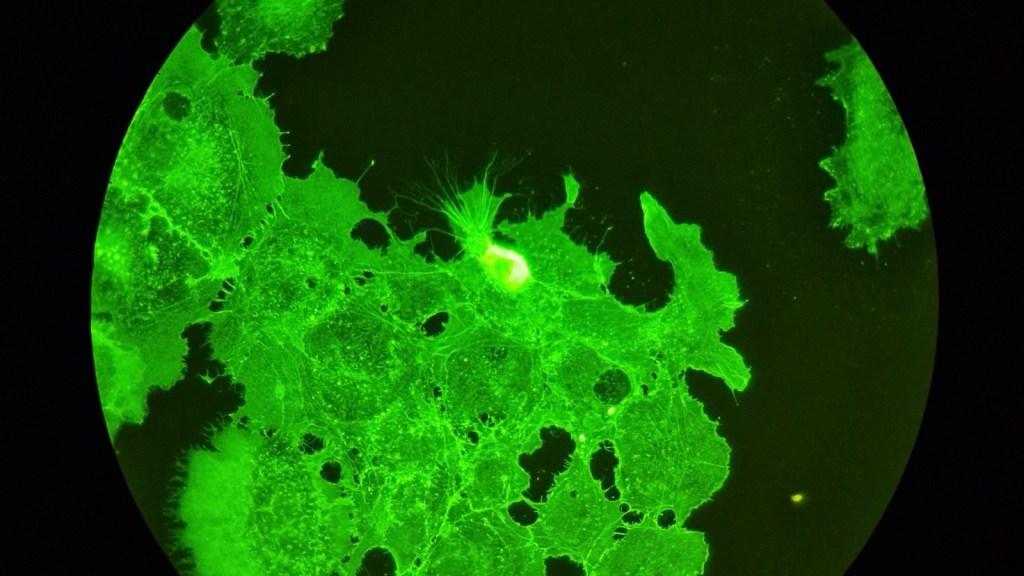
Dasatinib and Quercetin: Do Senolytics Work?
Senolytics work in mice. In people, dasatinib and quercetin missed the main goal of a bone trial but improved liver scarring in a small 2026 trial.
-

Low-Dose Rapamycin: Longevity Hype or Real Hope?
Low-dose rapamycin extended lifespan in mice and passed its first human safety trial. The honest science on rapamycin for longevity: hype versus real hope.
-

120 Minutes in Nature: The Weekly Health Dose
Spending 120 minutes in nature a week is linked to better health and wellbeing: where the dose comes from, what counts, and how solid the science really is.
-

Urolithin A Benefits: A Real Mitochondrial Tune-Up
Urolithin A benefits are modest but real: a placebo-controlled trial shows this gut-microbiome metabolite boosts midlife muscle strength via mitophagy.
-

A Sense of Purpose May Add Years to Your Life
A strong sense of purpose is linked to up to 17% lower mortality, healthier hearts, and sharper brains. Here’s what the longevity science really shows.
-

Sleep Regularity Beats Duration for Longevity
Large accelerometer studies show sleep regularity predicts survival better than sleep duration, and a steady schedule is often easier to fix than more hours.
-

GLP-1 Drugs and Longevity: Beyond Weight Loss
In people at high heart risk, GLP-1 drugs like Ozempic cut heart attacks, strokes and deaths, and most of that benefit isn’t the weight loss. Longevity is unproven.
-

PM2.5 Air Pollution: Protect Your Heart and Brain
PM2.5 air pollution is tied to 7.8 million deaths a year and quietly harms your heart and brain. Here’s the evidence, and simple ways to breathe cleaner.
-

Is Loneliness as Bad as Smoking? The Evidence
Close to it. In 148 studies of 308,000 people, weak social ties predicted early death about as strongly as smoking. Loneliness alone is less certain.

