Longevity and health claims, checked against the actual studies: plain-English verdicts with every source linked.
Peer-reviewed studies, unbiased analysis
Living better, backed by the research.
We turn the peer-reviewed science of longevity, performance, and everyday health into something you can actually use, and we link every claim to the study behind it, so you can check the numbers yourself.
Every study verified on PubMed
Plain English, not clinical
Independent, no industry ties
Latest articles
-

Is Kratom Safe? The Leaf vs the 7-OH Pills
Kratom is not proven safe: 1 in 4 surveyed users met criteria for kratom use disorder, and the 7-OH pills sold as kratom are a stronger, untested drug.
-
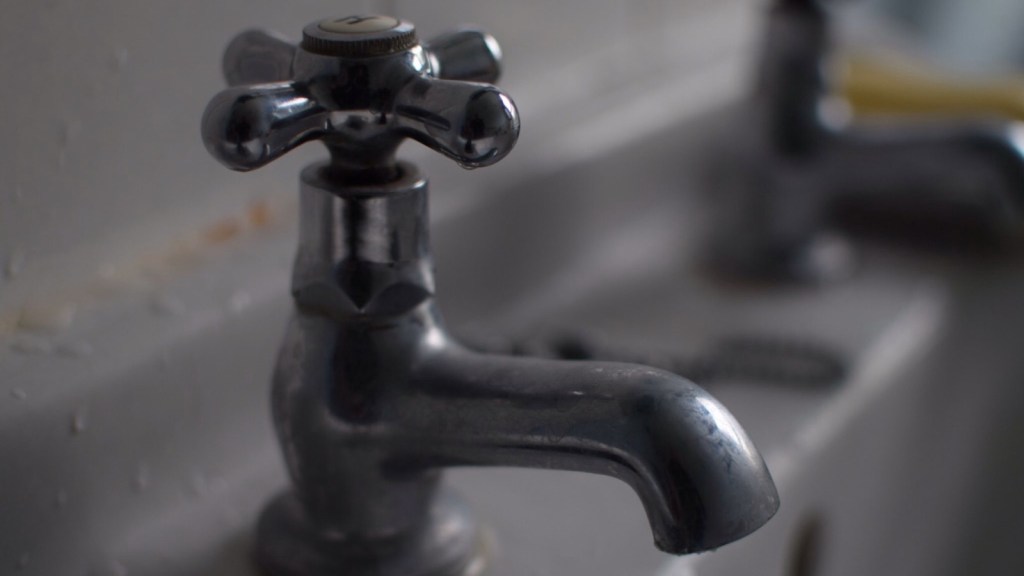
How Dangerous Is PFAS in Drinking Water?
About 45% of US tap water holds PFAS, which is most dangerous in drinking water after years of high exposure, linked to kidney cancer and high cholesterol.
-
Is PWM Dimming Bad for Your Eyes?
PWM dimming at the 240 Hz many phones use is not proven bad for eyes, but after a lab flicker test, 41% of people with migraine got a…
-
Does Stress Make You Age Faster?
Yes: in 392 adults, more lifetime stress went with older DNA clocks. Here is how stress can make you age faster, and what recovery may undo.
-
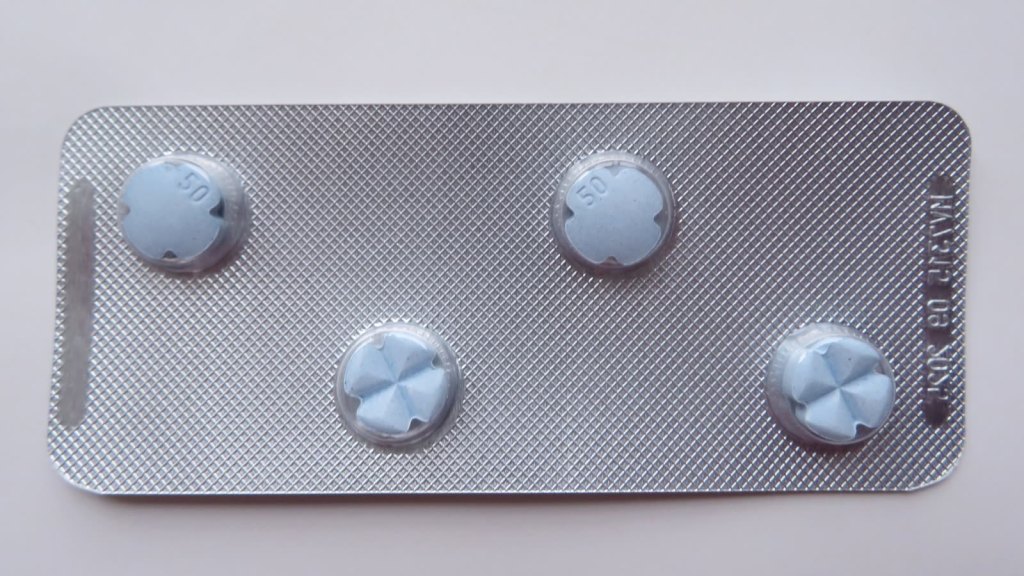
Does Viagra Prevent Dementia?
No trial shows Viagra can prevent dementia. Records tie it to 18% less Alzheimer’s in 269,725 men, but that link faded under a stricter check.
-
Does a 3-Day Fast Trigger Autophagy?
After a 3-day fast, one autophagy marker rose about 30% in 8 men, but another went the wrong way. Human proof is thin, and some people should skip…
-

Is 1 Hour of Deep Sleep Enough?
No, 1 hour of deep sleep is not enough on short nights: adults held to 4 or 6 hours for 14 nights kept their deep sleep but got…
-

Is Turmeric Bad for Your Liver?
Turmeric is rarely bad for your liver: a US network tied 10 injury cases, 1 fatal, to supplements. The spice in food does not appear to be involved.
-

Do Mental Health Apps and AI Chatbots Work?
Mental health apps work a little: in 176 trials, about 1 extra person in 12 improved. Most users quit within weeks, and AI chatbot evidence is thin.
-
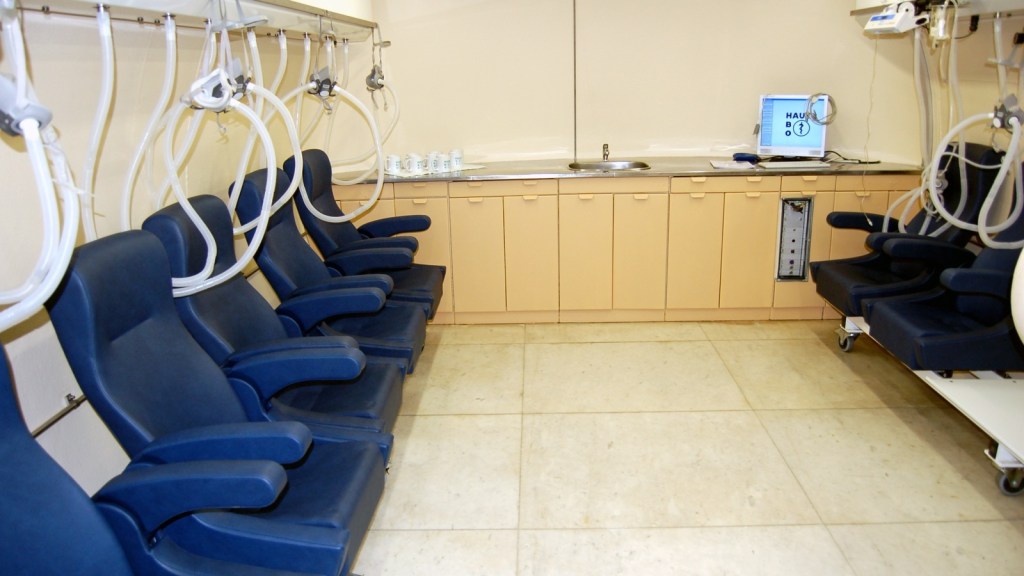
Does Hyperbaric Oxygen Therapy Reverse Aging?
Hyperbaric oxygen therapy is not proven to reverse aging: the 20% telomere claim rests on 35 people with no control group, from a clinic-linked lab.

